
There Are Three National Park Units in Hawaii You’ve Never Heard Of (Here’s Why You Should Visit Them)
If you’re a National Park junkie like me and you go out of your way to visit National Parks, National Monuments and National Historical Sites wherever you go (gotta get those passport stamps!), then you’re going to LOVE Hawaii’s Big Island.
You already know about Hawaii Volcanoes National Park…but the Big Island is also home to THREE other National Historical Parks that preserve and celebrate ancient Hawaiian culture and history.
Here’s everything you need to know if you’re visiting the Big Island and trying to collect all of your stamps…
This post may contain some affiliate links, which means I’ll make a little money on anything you choose to purchase. But of course, I only recommend my absolute favorites to you. Thank you for supporting the brands that make HulaLand possible.
Kaloko-Honokohau National Historical Park
Kaloko-Honokohau is located just north of downtown Kona and they have a perfectly preserved fish pond.
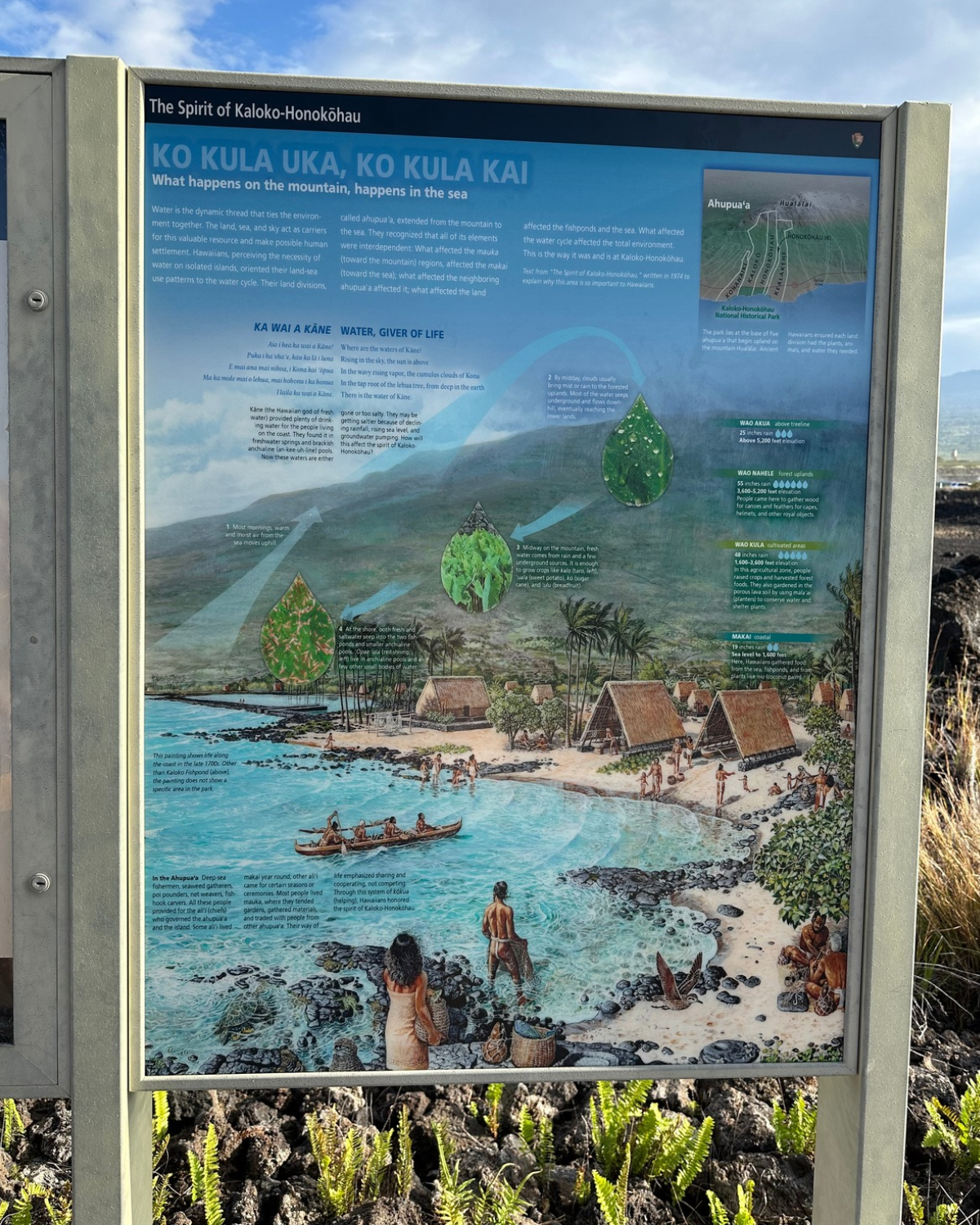
At the visitor center you can learn all about water cycles and how sacred water was to the Hawaiian people.
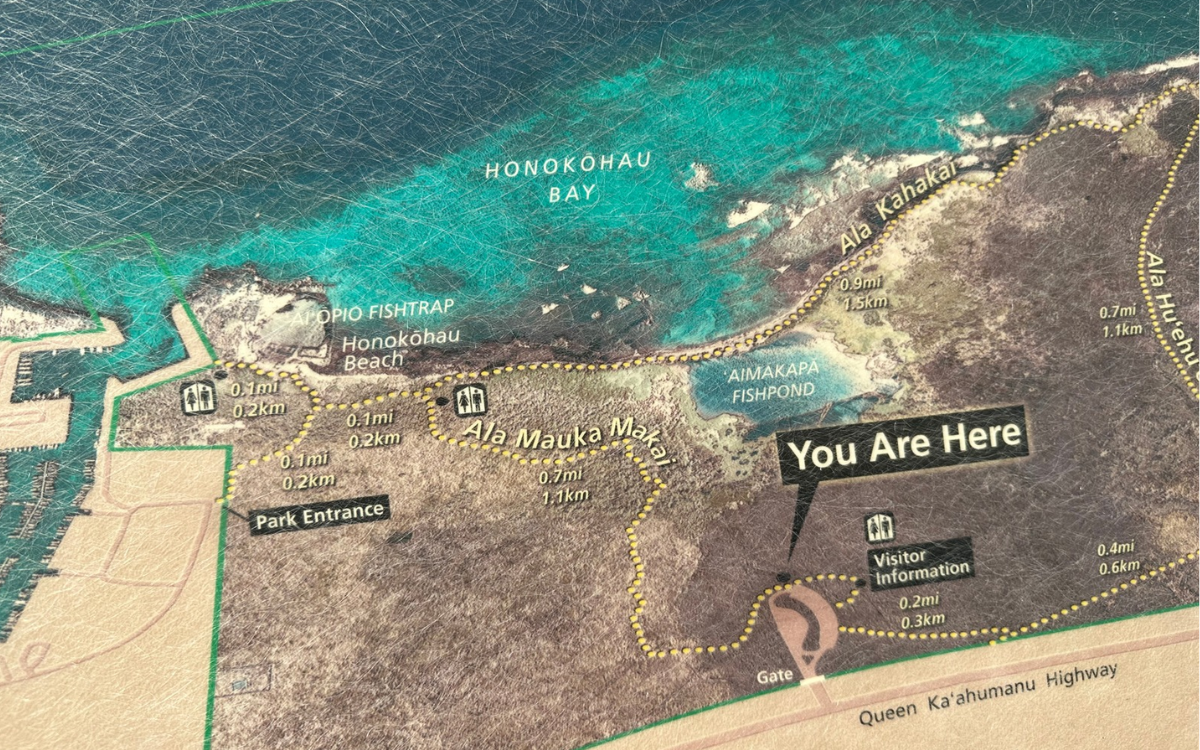
From the visitor center, you’ll have to hike to see the fishpond (there’s actually not much to see at the visitor center, but it’s where you’ll get your national park passport stamped).
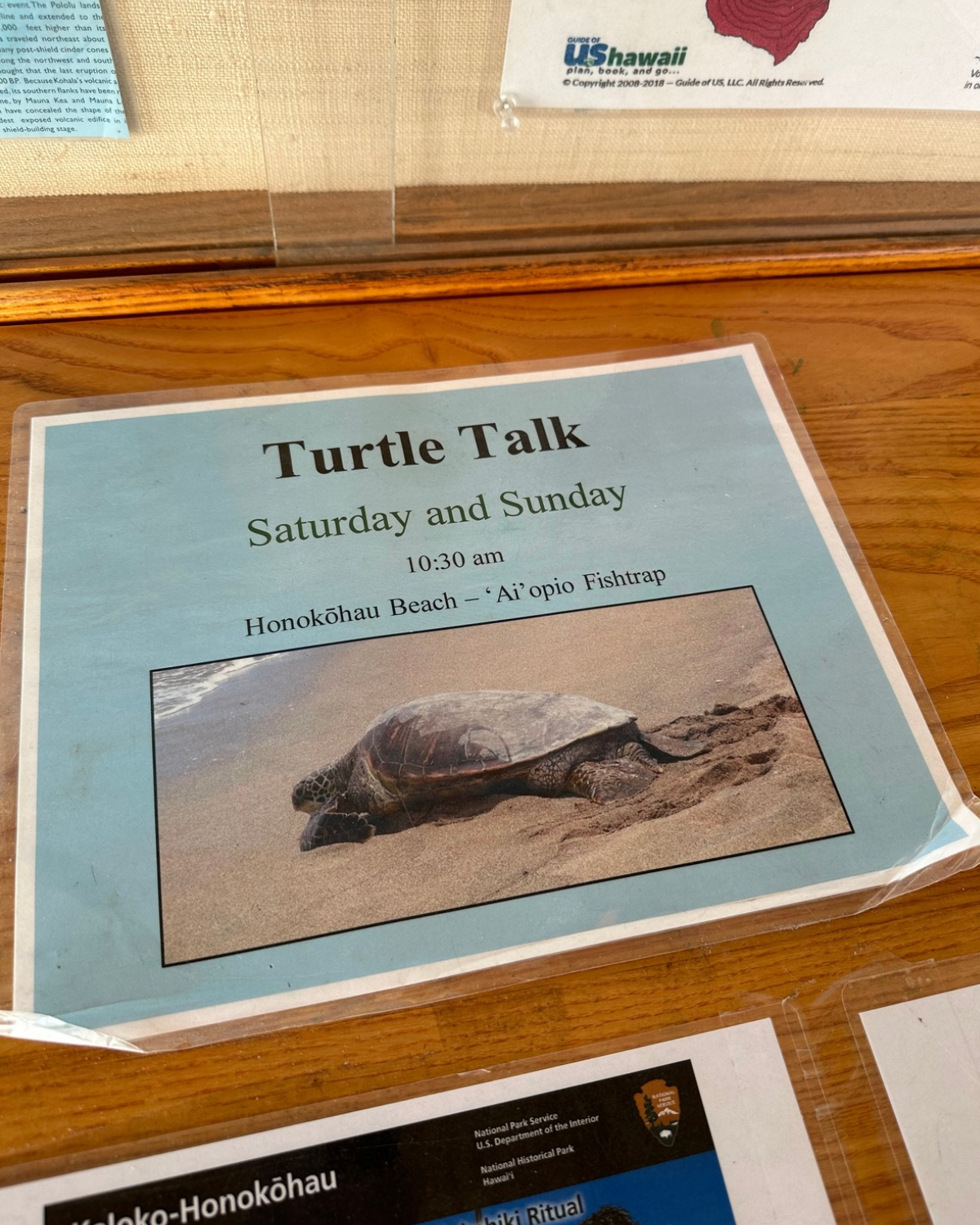
If you park at Honokohau Beach (by the small boat harbor), you’ll shave about a mile off of the hike. From the parking lot, it’s a short hike to the first fishpond and then there’s another one farther down.
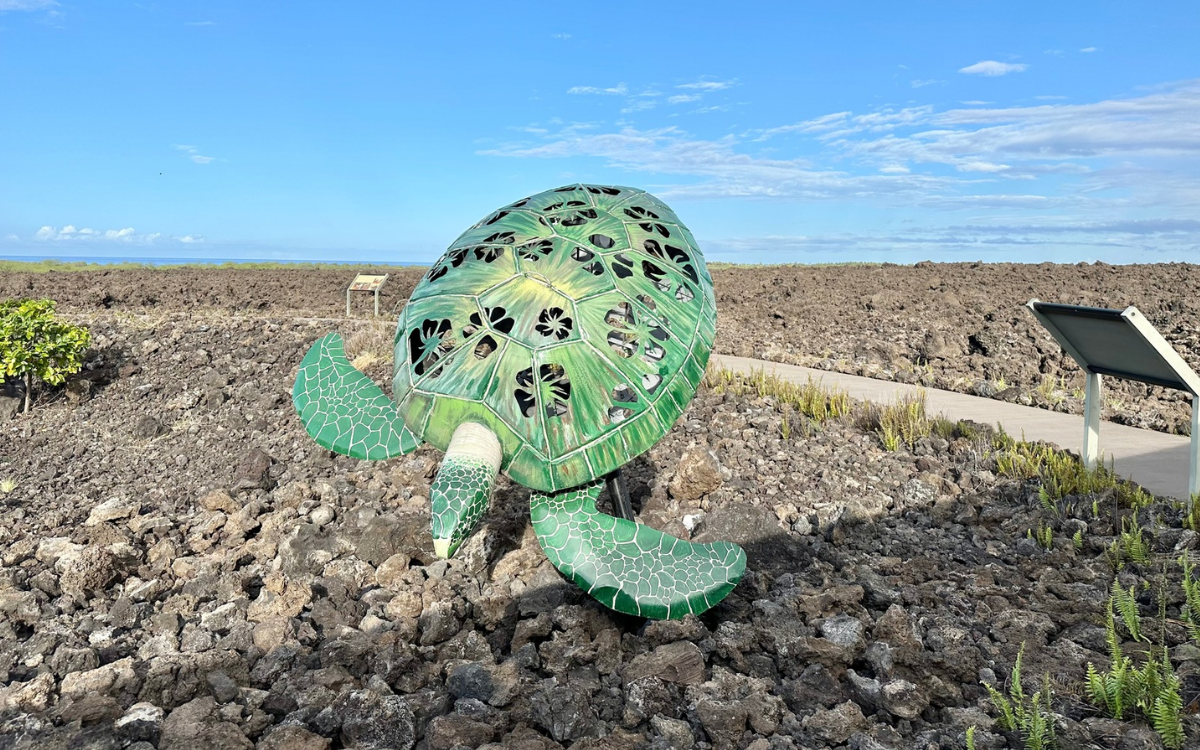
I haven’t had time to do the hike yet, but it’s on my list for my next trip. I will say though…if you don’t hike out to the fish ponds, there’s really not much to see here besides the gift shop, getting your passport stamped, and talking with the park rangers.
Pu’ukohala Heiau National Historical Park
This one is all the way up north of Kona in Kohala. If you’re staying at the big resorts in Waikoloa and Kohala (Mauna Kea Beach Hotel, Westin Hapuna Beach, Fairmont Orchid, Mauna Lani, Hilton Waikoloa Village, etc.) this is pretty close by.
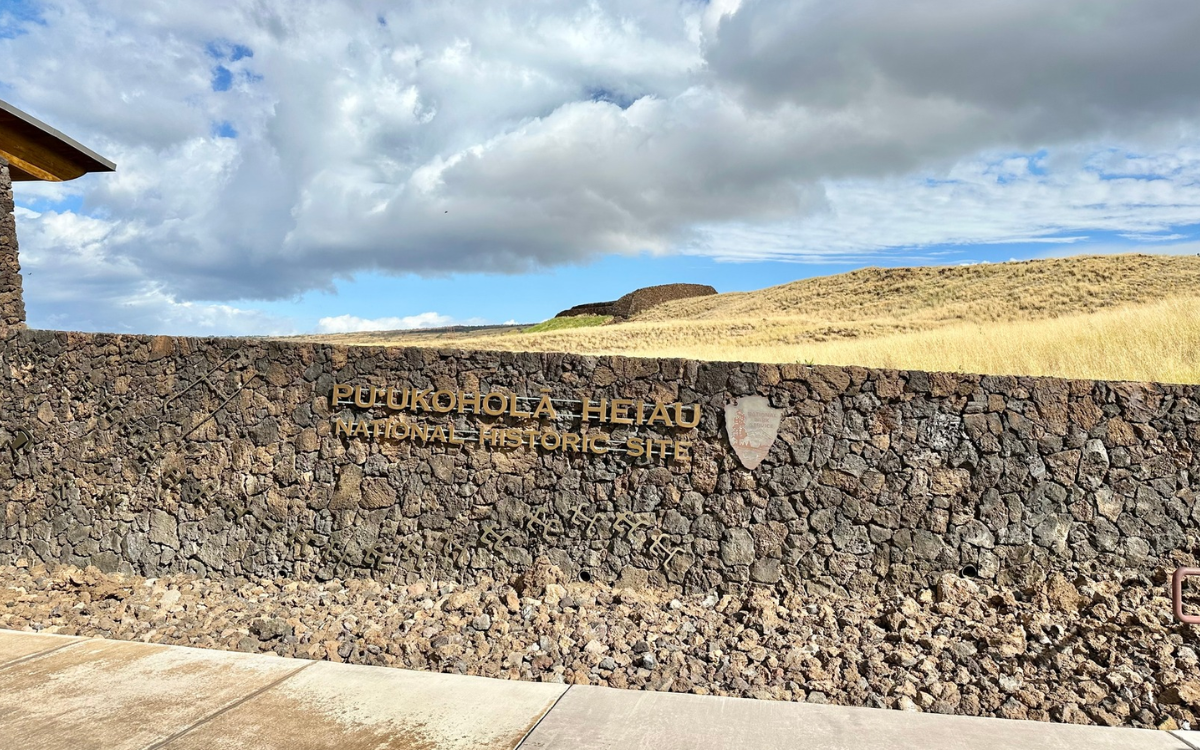
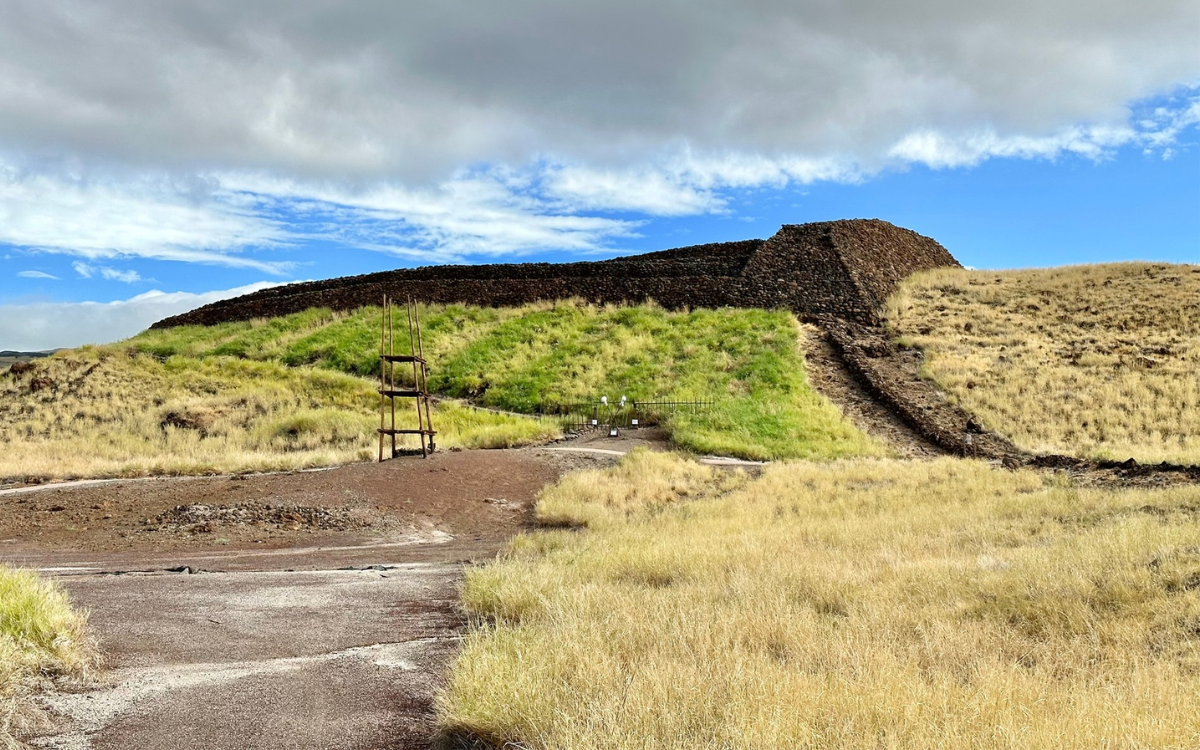
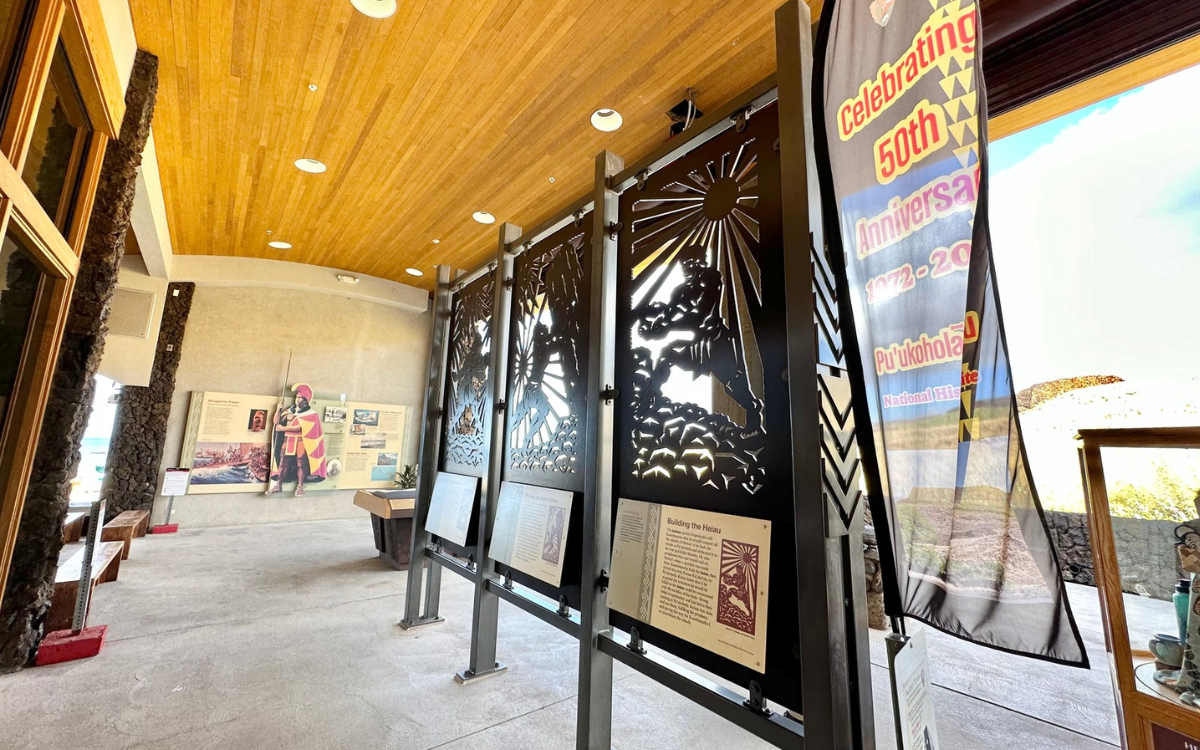
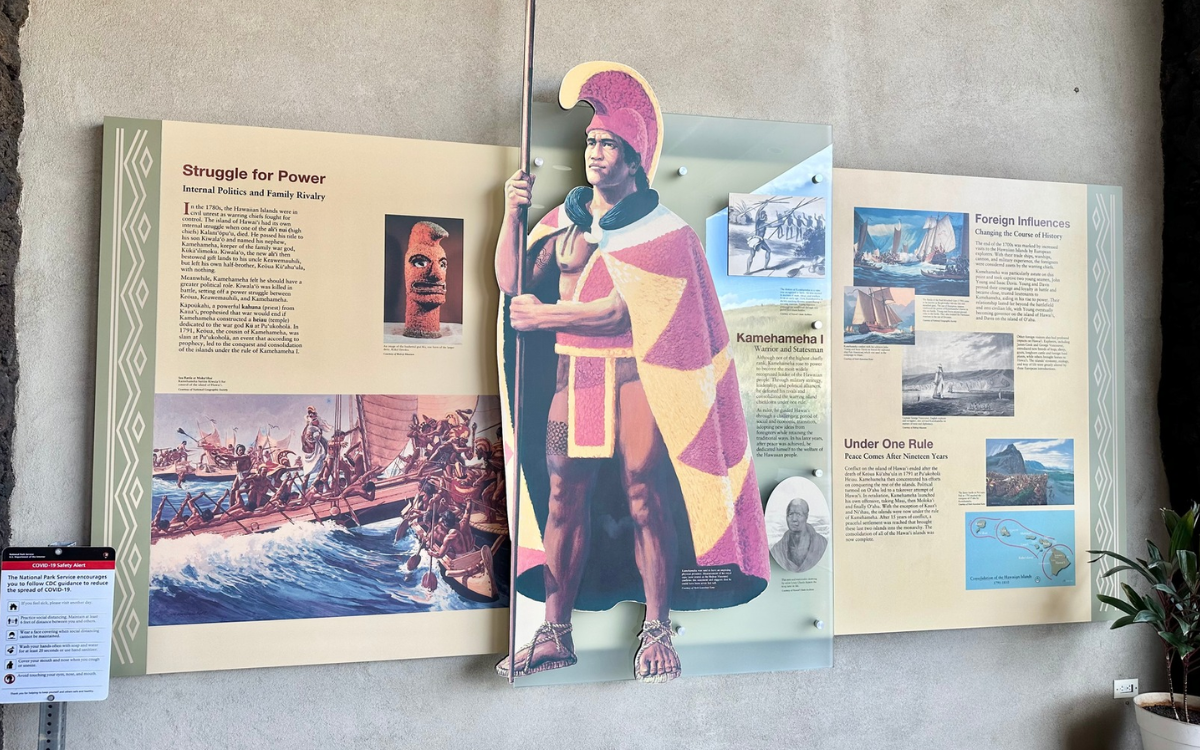
The heiau (temple) was built in 1790 right before Kamehameha the Great set out to conquer the neighboring islands.
The education at the site focuses mostly on King Kamehameha, four Hawaiian prophecies that he was believed to have fulfilled, his ascension to power, and the political climate in Hawaii at the time.
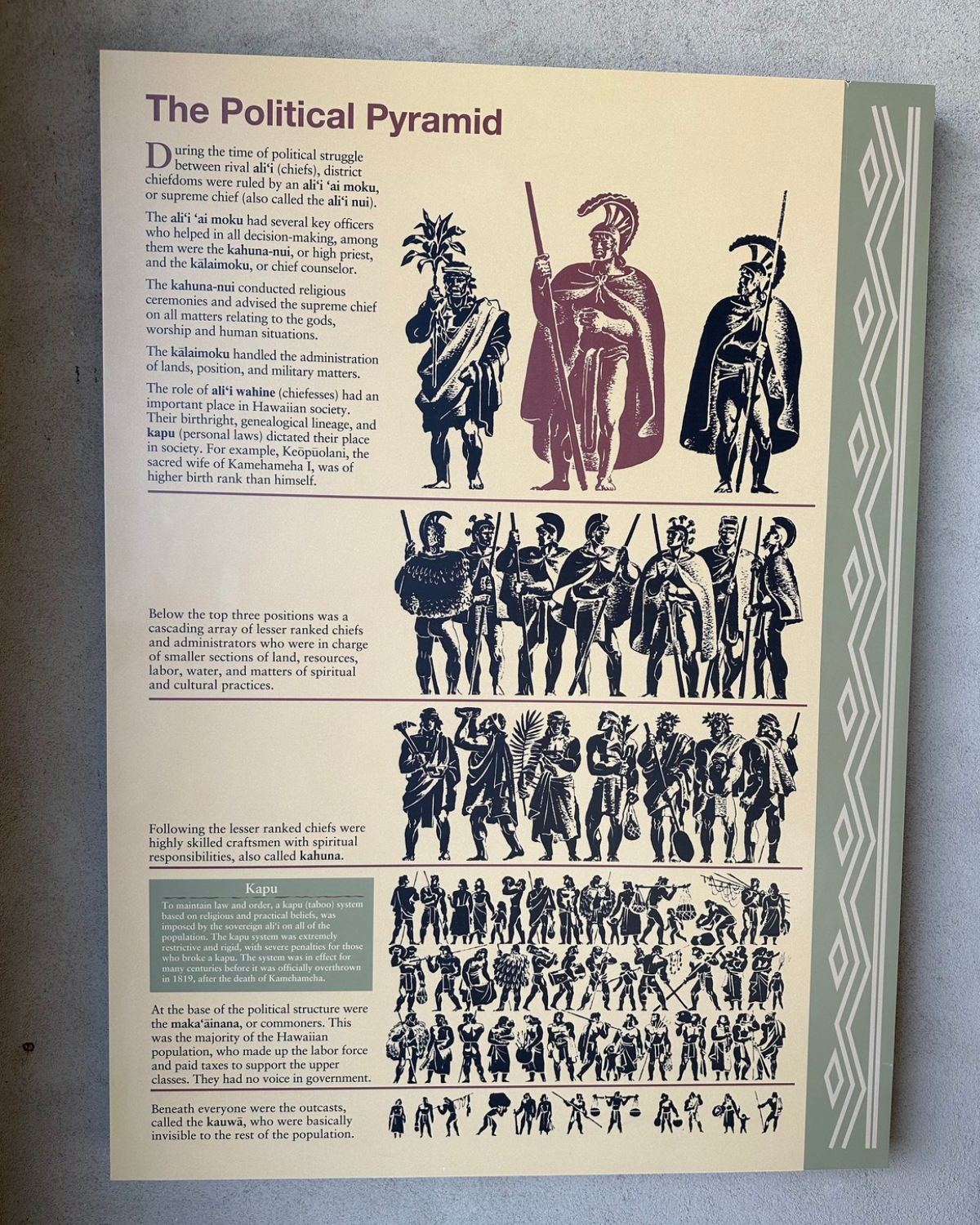
There is a lot to read here and the exhibits are pretty well done. You can walk down a path towards the heiau, but you can’t get very close to it.
If you’ve traveled up this way and you’re not staying in the area, pair a visit here with a hike at Pololu Valley (or just go to the overlook) and mai tais at Seafood Bar and Grill or even a half day trip over to Waimea.
Side Note: If you’re looking for a rental car for your trip, I LOVE Discount Hawaii Car Rentals. They’re seriously the only company I ever use. They’ll give you the very best prices, you don’t have to reserve with a credit card or pay until you show up, you can cancel and re-book anytime if you find a better rate, and they usually have a special that adds additional drivers for no fee. It’s a no brainer. Click here to check rates for your trip.
Pu’uhonua O Honaunau National Historical Park
While all three National Historical Parks on the Big Island have really important cultural significance, this is my personal favorite.
And I have to say, if you only have time to visit one, make it this one.
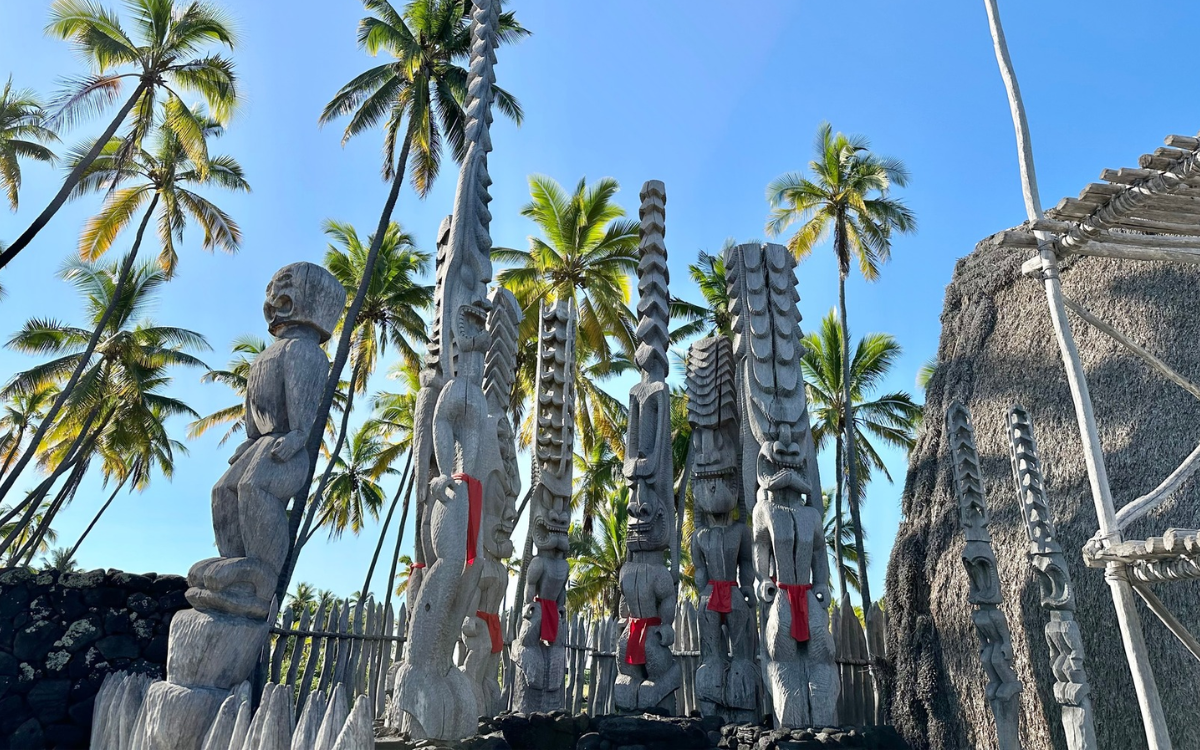
Not only is there so much to learn, but it is absolutely BEAUTIFUL.
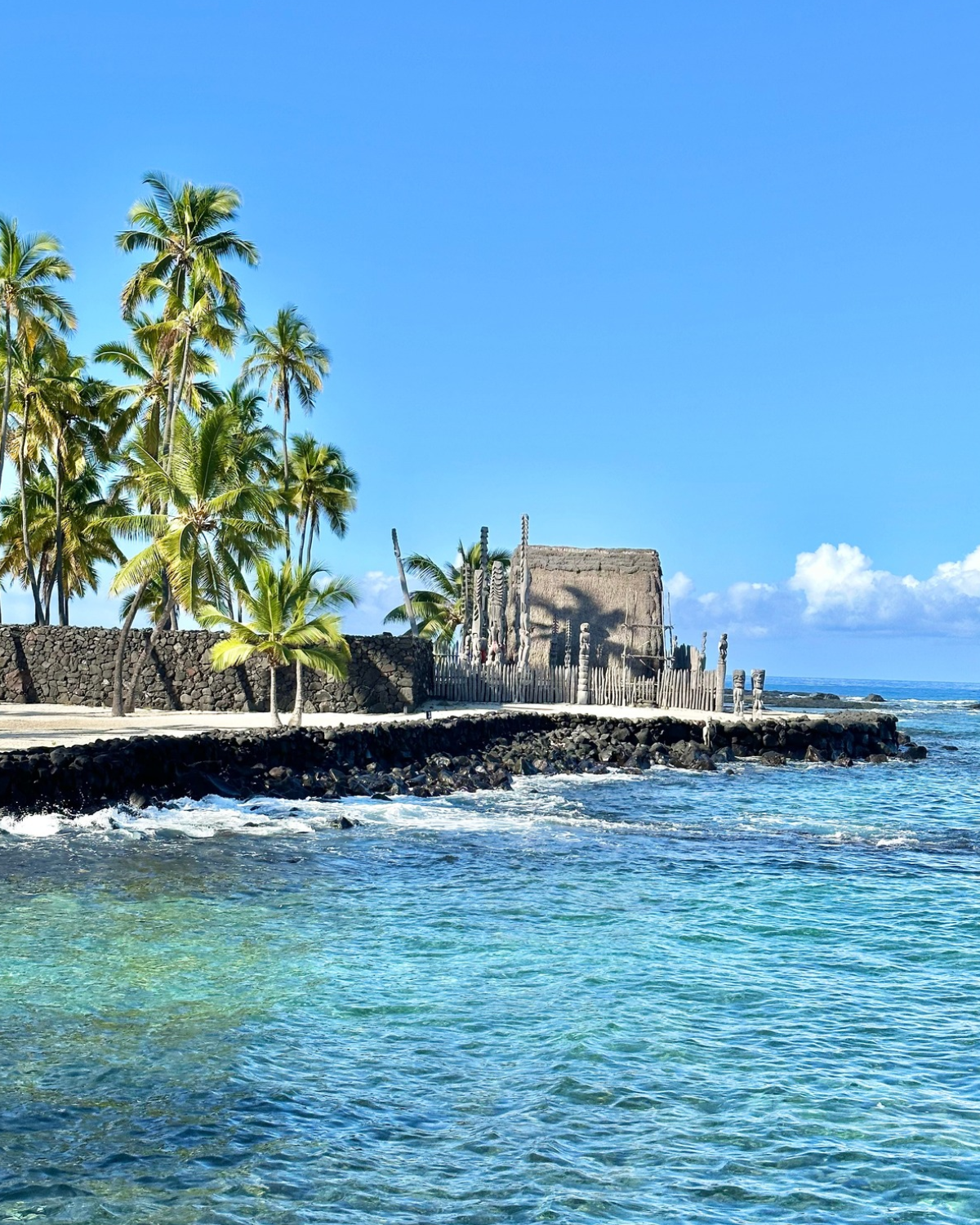
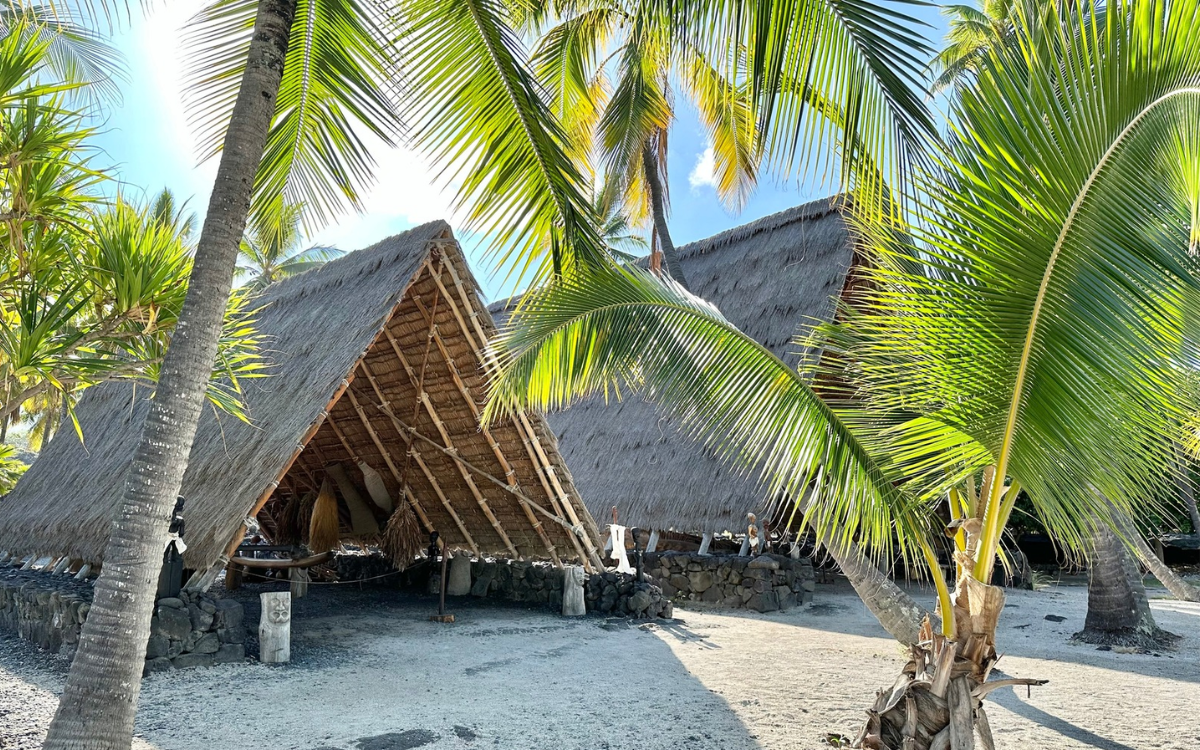
The site is right on the water and it’s just completely dreamy with palm trees everywhere you look and white sand beaches.
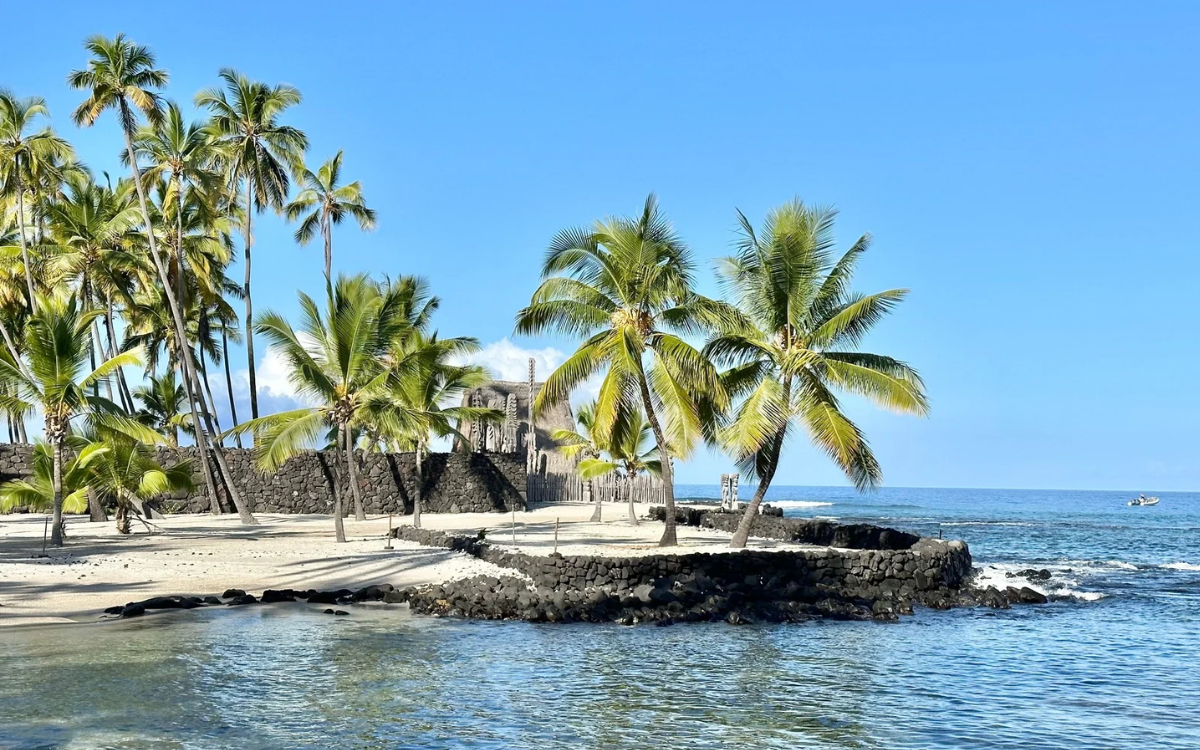
Here’s a bit about the cultural significance of Pu’uhonua O Honaunau: The Pu’uhonua was a place of refuge for those who had broken the law (and faced a punishment of death), defeated warriors, and sometimes even civilians during times of war.
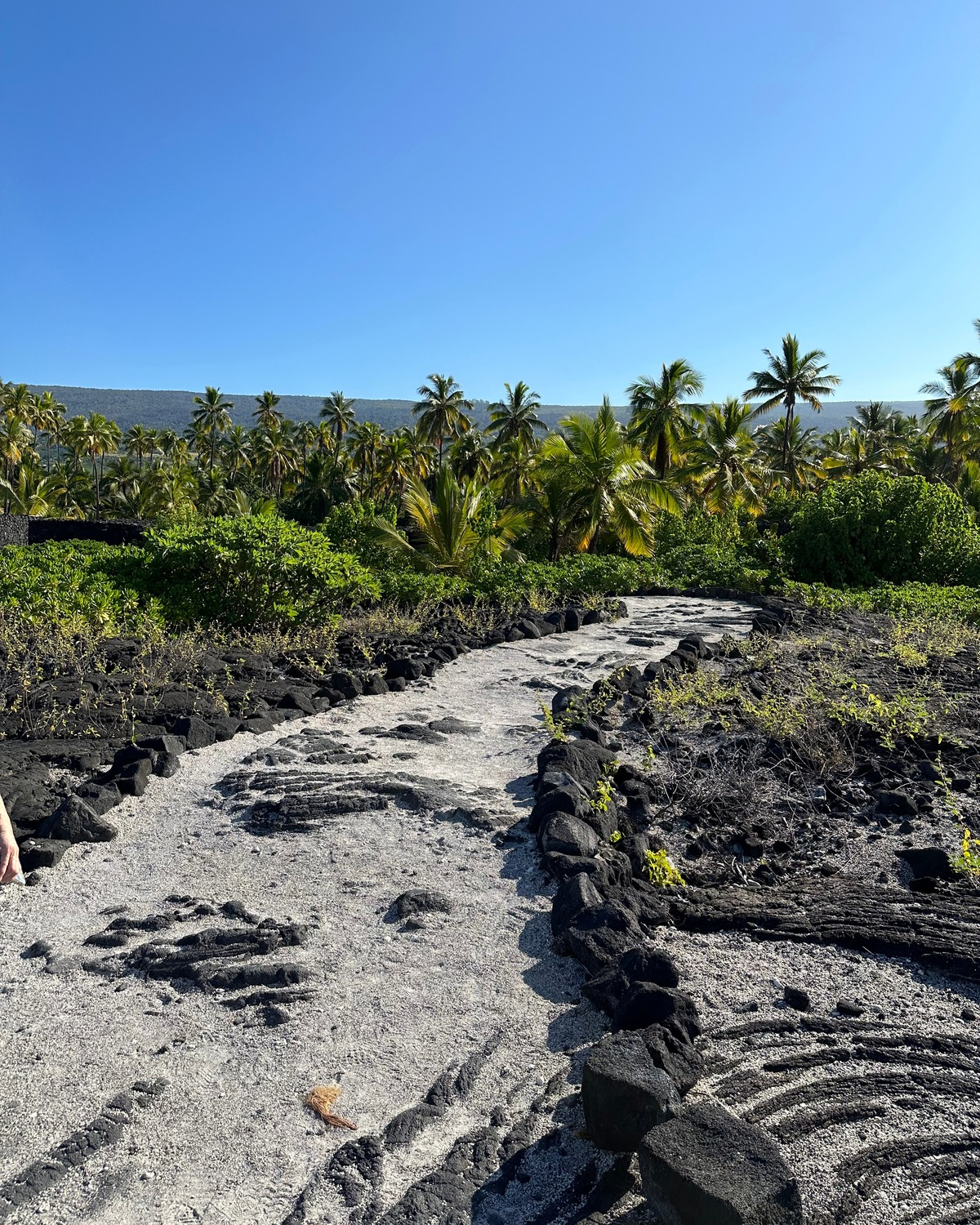
Once refuge seekers reached the Pu’uhonua, they were protected. Hawaiians believe the Pu’uhonua was/is protected by Lono, the God of Life.
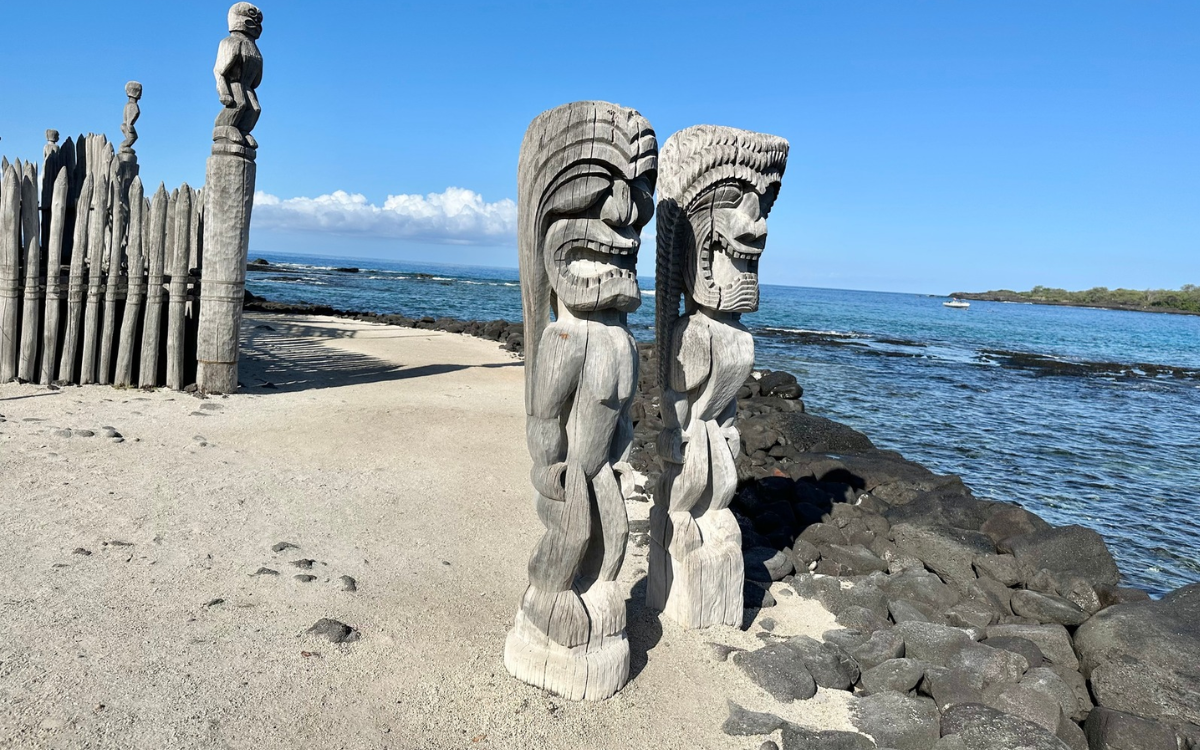
The Pu’uhonua is still considered an active religious site by Native Hawaiians (kanaka maoli) and while the National Park Service maintains the temple (heiau), descendants of the ancient Hawaiians continue to practice traditions there today making it a modern religious site.
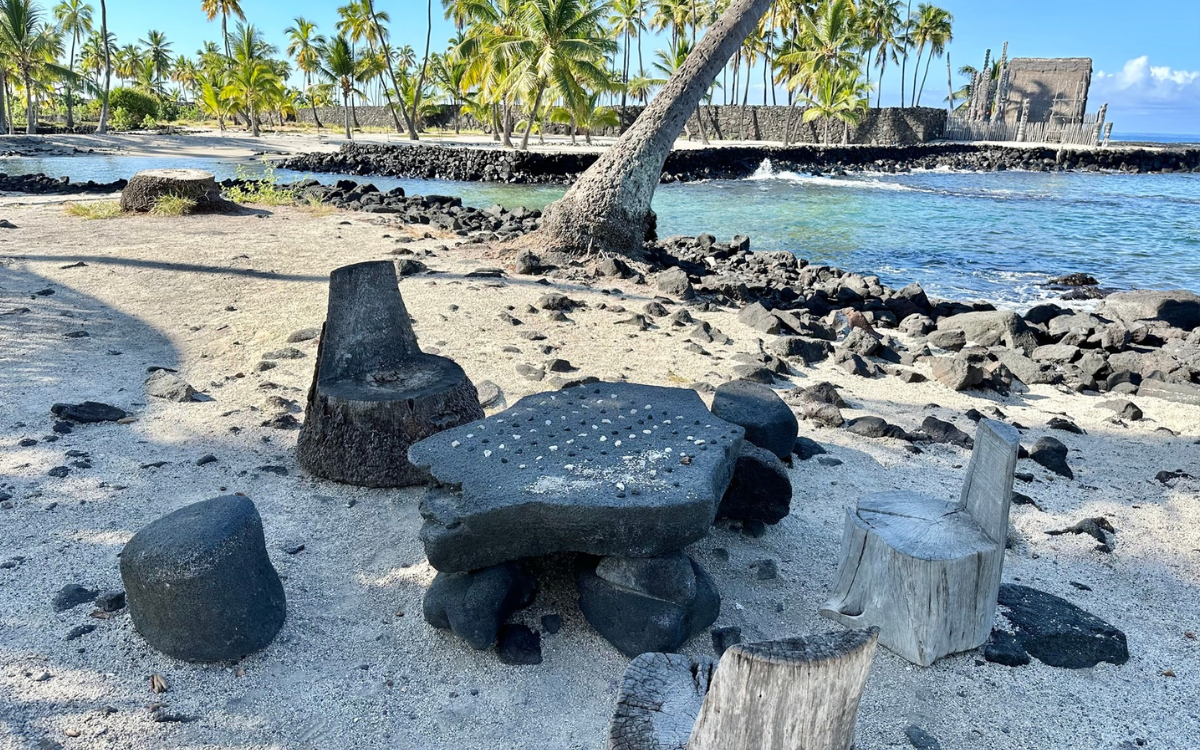
It’s $20/vehicle to enter the park (it’s covered by the annual American the Beautiful pass) and the site has a video presentation and some exhibits to explain the significance to visitors.
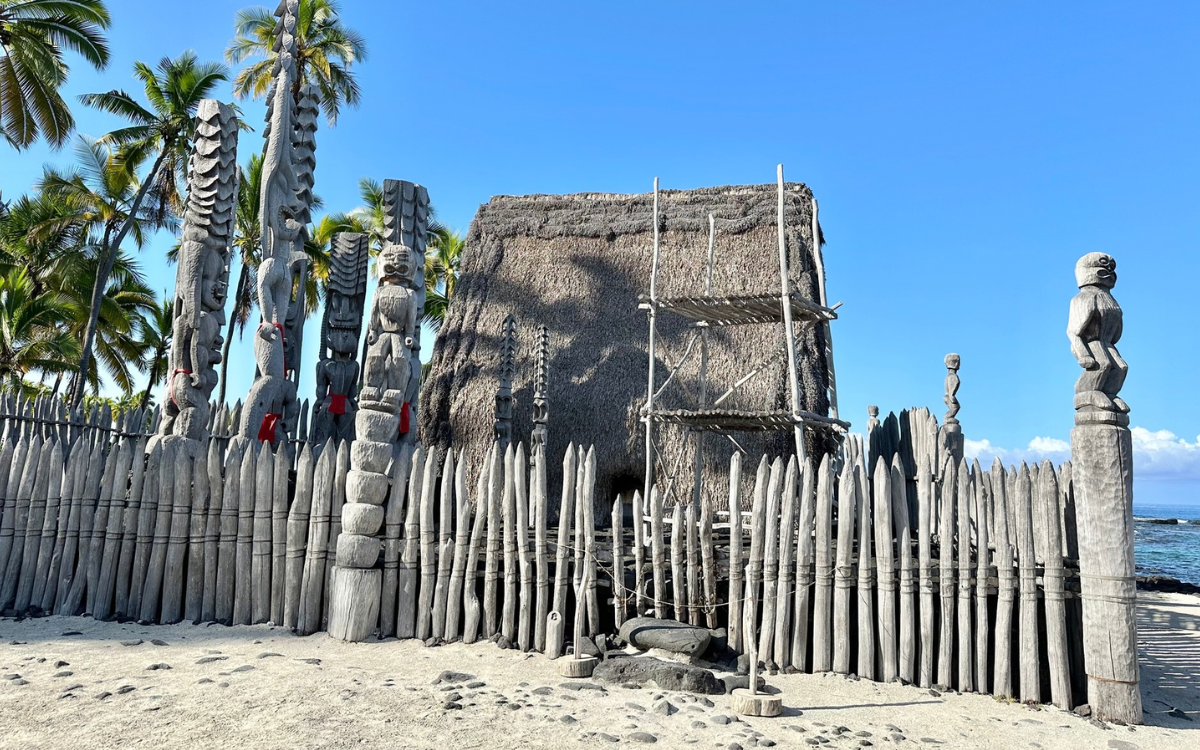
Since it’s considered a sacred site, be sure to be on your best behavior! No swimming from the beach, sunbathing, running around, etc.
This one is about 35 minutes south of downtown Kona. It’s just south of Kealakekua Bay (Captain Cook) so you could pair it with a snorkeling trip there if you’re doing the hike or the super popular snorkeling spot Two Step is also just north of the park (you can see it from the park).
As far as places to eat nearby, try Teshima’s Restaurant for Japanese comfort food.
I’ve made it my job for the last 10 years to explore Maui.
And after hundreds of beach days, rainforest hikes, snorkeling trips, and reconnaissance missions to find the best hotels… and mai tais… I put everything I know into one place.
This is my Maui Digital Map — hundreds of my favorite spots. Beaches, snorkeling spots, hikes, farm tours, scenic drives, places to eat.
Yes, I share hidden spots I don’t talk about so much on social media…but also—tourist doesn’t have to be a dirty word. Popular places are popular for a reason.
So I break down what’s worth it, what’s not, where to spend your money, where to save it, and how to avoid crowds at some of Maui’s most popular (and best) places so you actually enjoy your time.
I’m also sharing all of my travel guides on when to go, where to stay, detailed hotel reviews…plus dozens of itinerary options based on where you’re staying and what you love to do.
It’s everything you need to see the best of Maui and actually relax. A Vacation in a box…all YOU need to do is pack your suitcase.
Get access to my Maui digital guide and map here.