
Things to Do on Maui Besides the Beach (A.K.A. The Big Three)
Here’s a question I get all the time: “We’re not really beach people — what else is there to do on Maui?”
And listen, I get it. Some people can happily park themselves on a lounge chair for six hours with a paperback and a drink with an umbrella in it, and some people start getting antsy after 45 minutes. If you’re the second type, you’ll find plenty to do on Maui…besides the beach.
🌴 SIDENOTE: Planning a trip to Maui? I put everything in this post (and way more) into a 75+ page guide…maps, itineraries, the works. Grab the Maui Guide HERE. 🐳
I think of this as Maui’s Big Three: the Road to Hana, sunrise (or sunset) at Haleakalā, and snorkeling Molokini Crater. And if you’ve got extra time, there’s a bonus fourth — spending a day upcountry. Between these four, you could fill an entire week and not spend much time sitting on the beach.
Here’s what you need to know…
This post may contain some affiliate links, which means I’ll make a little money on anything you choose to purchase. But of course, I only recommend my absolute favorites to you. Thank you for supporting the brands that make HulaLand possible.
1. Drive the Road to Hana
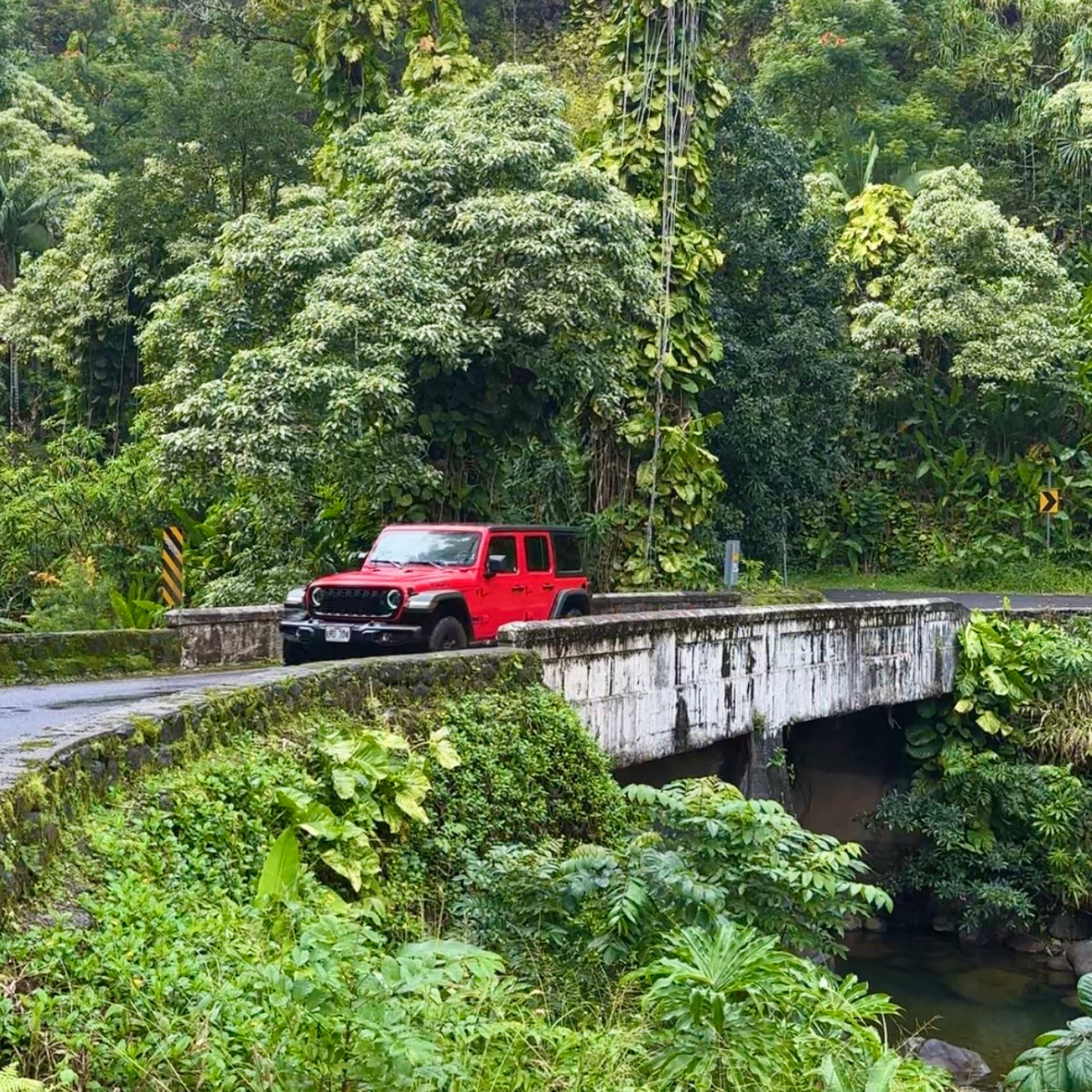
If there’s one “don’t miss” thing on this list, it’s this one. The Road to Hana is one of the most famous drives in the world — 50+ miles along Maui’s rugged north shore and east side, with 600+ turns and about 50 one-lane bridges. It has a reputation for being a white-knuckle adventure, and while it is an adventure, it’s not nearly as treacherous as people make it out to be. I’ve driven it close to a dozen times — solo, with a baby in a car seat, in a Jeep, in a sedan, even in a full-size pickup. The whole road is paved and two lanes (except the bridges, where there’s an unspoken rule about letting 6-7 cars pass at a time).
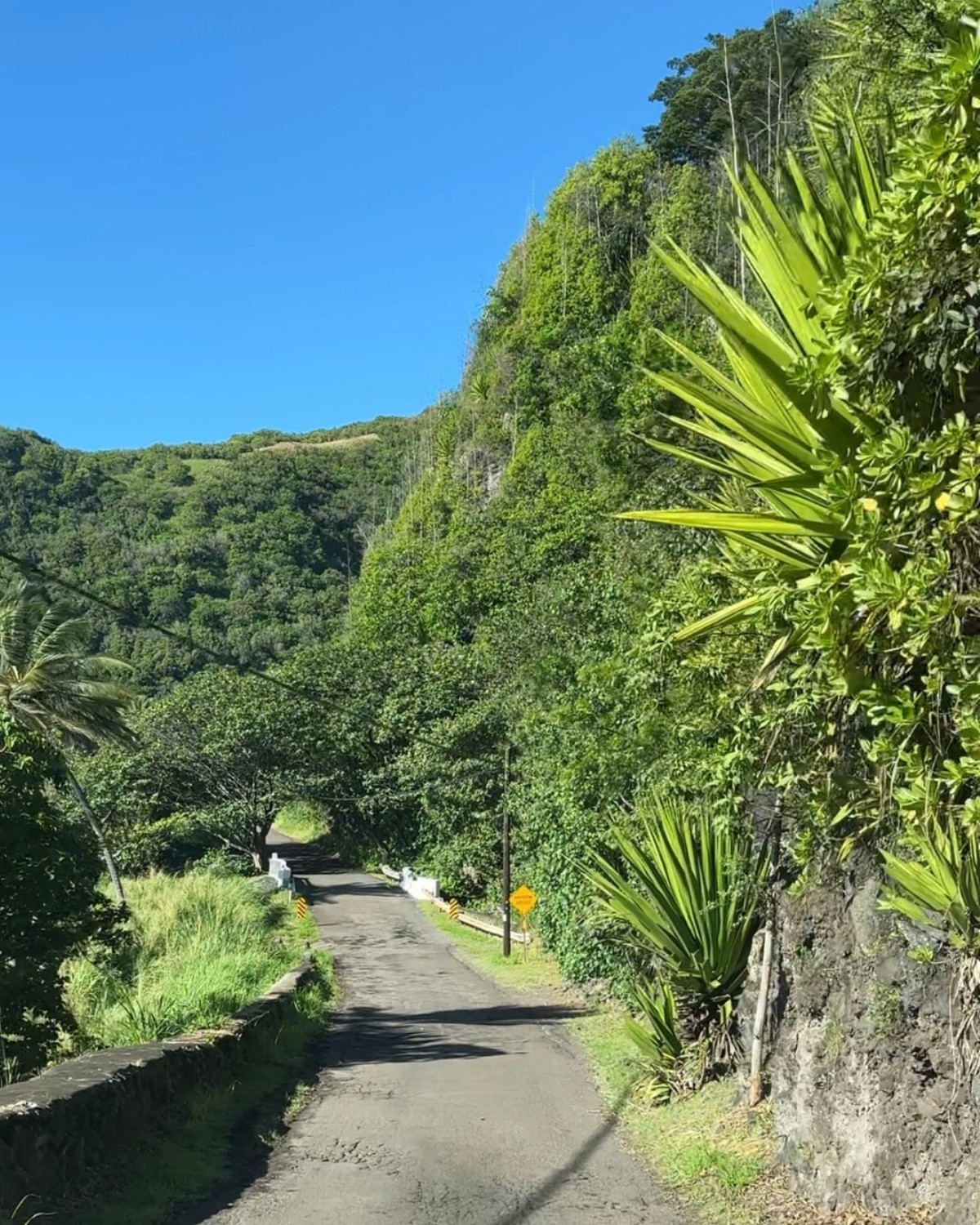
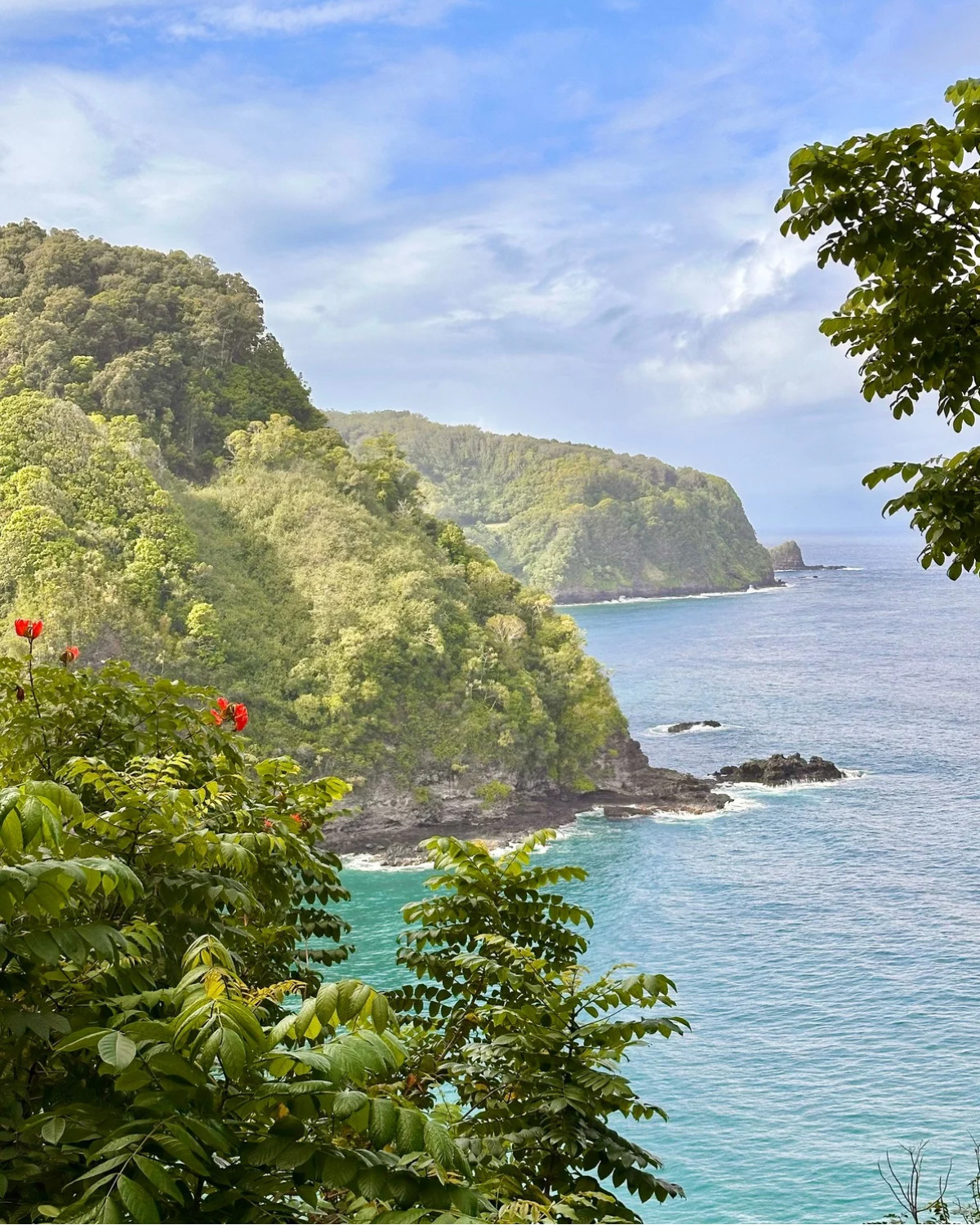
The thing to understand going in: this drive is about the journey, not the destination. Hana itself is a sleepy little town without a ton going on, so the point isn’t to rush there — it’s to soak in the waterfalls, jungle, and coastline along the way.
If you only stop for two things, make them these:
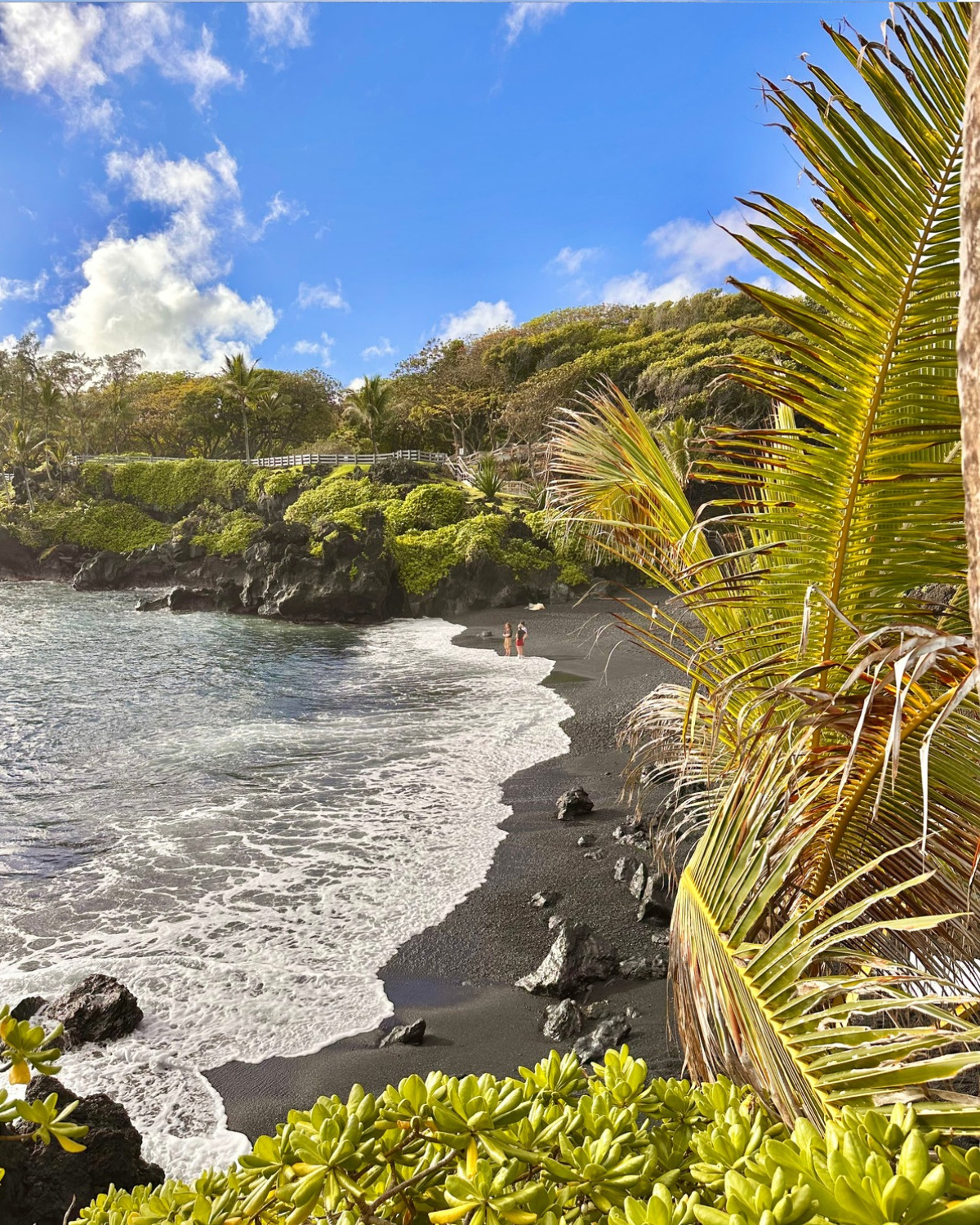
Waiʻanapanapa State Park — the dramatic black sand beach that’s the single best stop on the whole drive. You’ll need a reservation ($10/vehicle + $5/person, booked up to 30 days out), so don’t skip that step or you’ll get turned away at the gate.
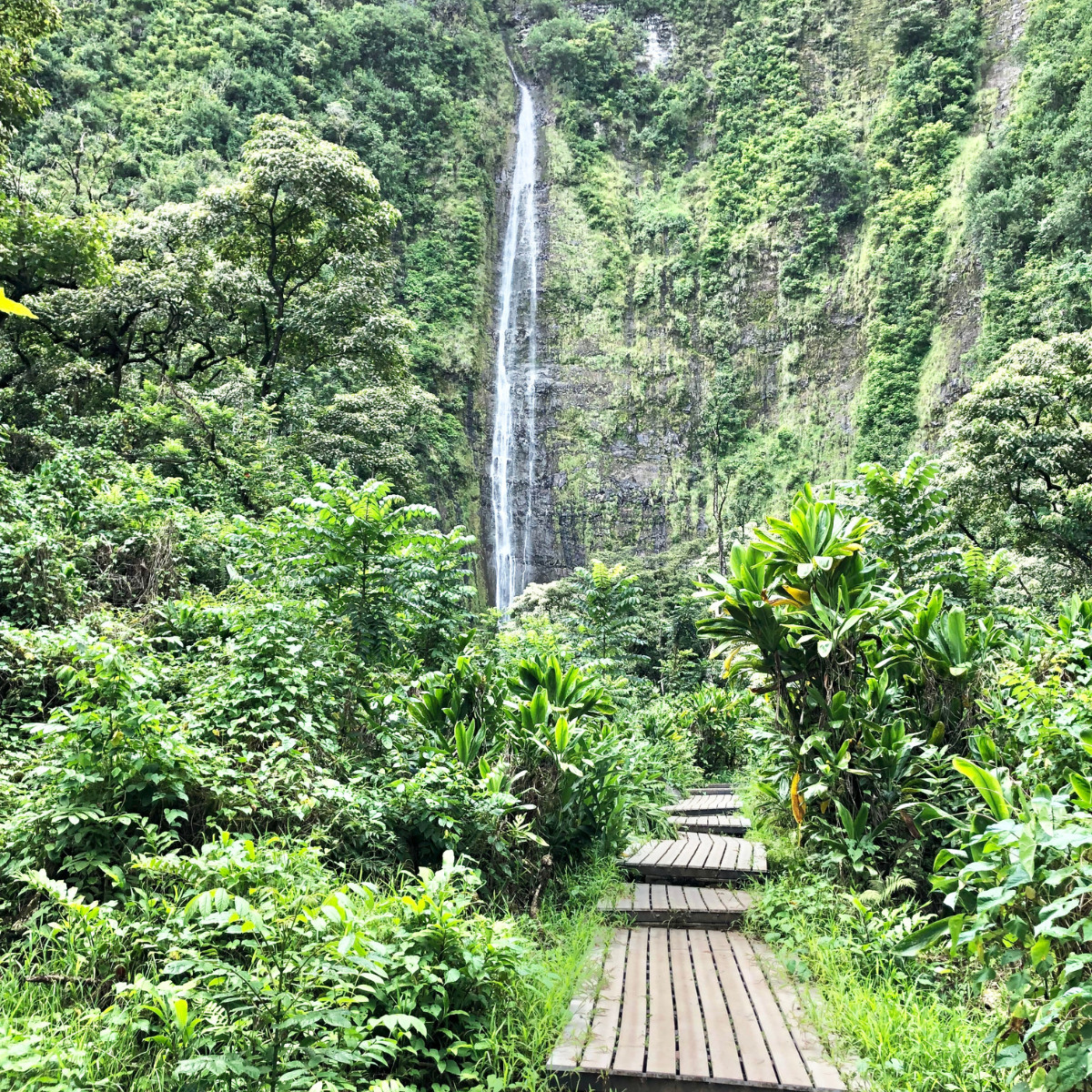
The Pipiwai Trail — a 4-mile round-trip hike through Hana’s famous bamboo forest, ending at the 400-foot Waimoku Falls. It’s not technically difficult, but it’s humid, so give yourself about 2 hours.
There are approximately 6,709 “must-see” stops that travel blogs will try to sell you on along this drive (I might be exaggerating, but not by much). My honest take: it’s fine to just drive by most of them. Pull over for viewpoints, but you don’t need to hike down to every waterfall.
2. Watch Sunrise (or Sunset) at Haleakala
Watching sunrise from above the clouds at the summit of Haleakala — Maui’s dormant volcano and one of the most unique national parks in the country — is one of those genuinely once-in-a-lifetime experiences. At 10,000 feet, you’re literally standing above the cloud line as the sky lights up. It’s incredible.
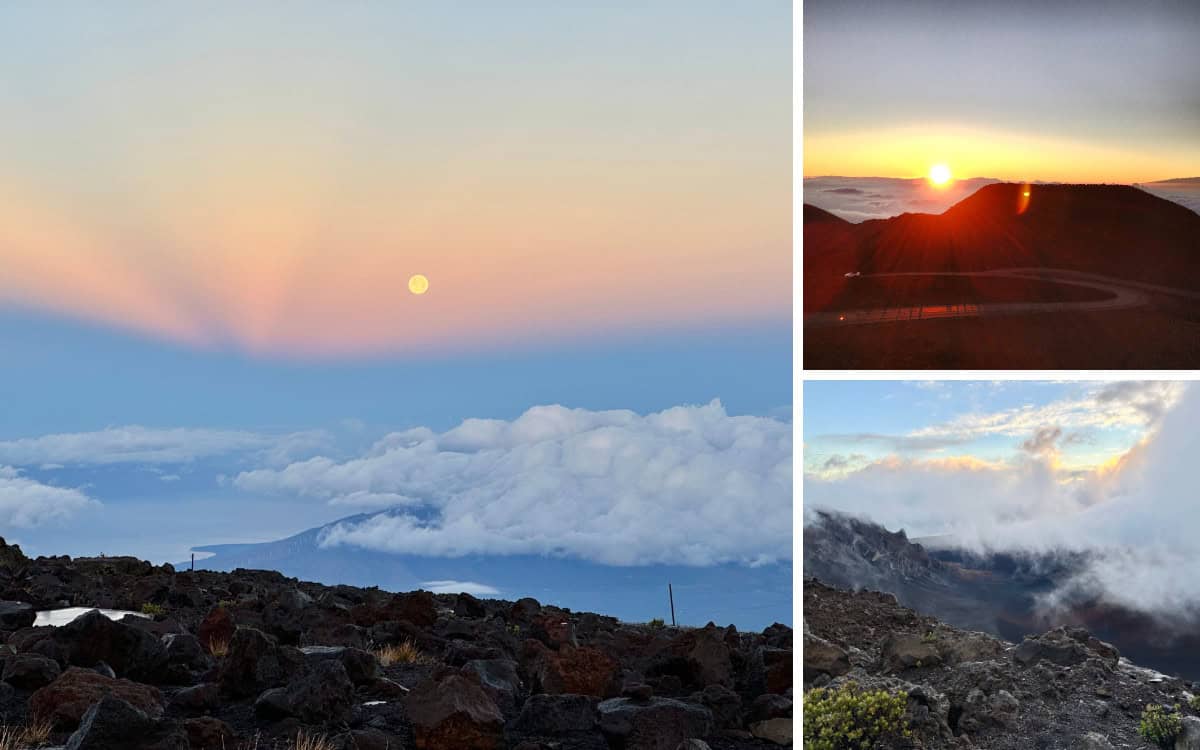
It’s also a production. Here’s what you’re signing up for:
A 2-3 AM wake-up call. It can take up to two hours to reach the summit from most resort areas, so you need to leave hotel by roughly 1-1.5 hours before your target arrival time.
A reservation. Required for entry during sunrise hours (3-7 AM), bookable up to 60 days in advance for a $1 fee, separate from the $30/vehicle park entrance. They can sell out, so don’t wait.
Cold temperatures. It’s not uncommon for it to be in the 20s-30s Fahrenheit at the summit, plus wind. Pack like you’re going somewhere cold, because you are — even though you left your hotel in 80-degree weather an hour earlier.
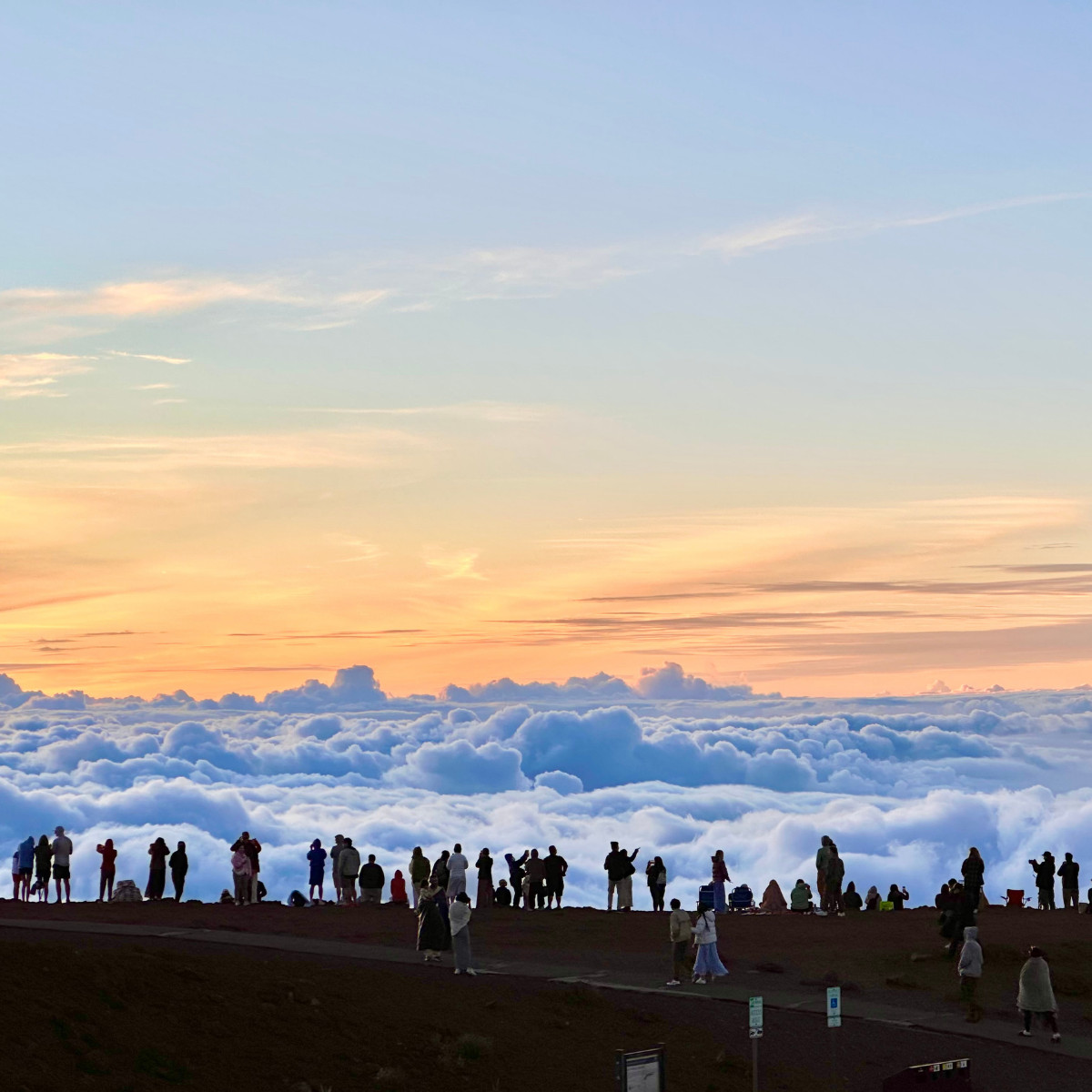
My best tip: Do this on your first full day on Maui. If you’re coming from the mainland, jet lag means you’ll naturally be up early anyway, so you might as well put it to good use.
One honest disclaimer — sunrise and sunset are natural phenomena, which means they don’t always cooperate. I’ve been up for sunrise three times and only actually seen it once. But statistically your odds are good, and even a cloudy morning up there is memorable.
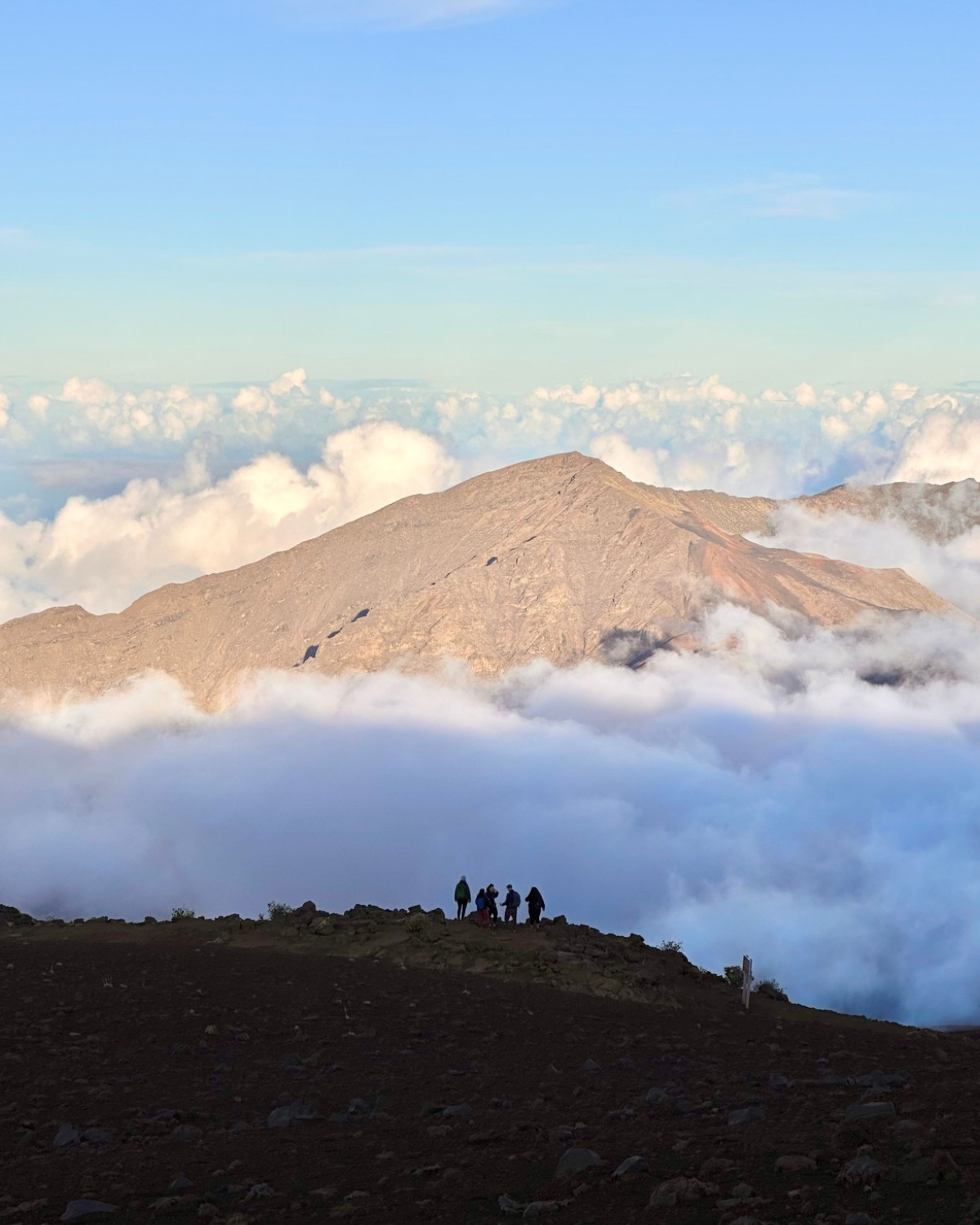
If getting up that early isn’t for you, sunset at Haleakala is a great alternative — no reservation required, way less crowded, and you can spend the afternoon upcountry beforehand (more on that below) instead of rushing straight up the mountain in the dark.
3. Snorkel Molokini Crater
Molokini is a partially submerged volcanic crater three miles off Maui’s south shore, and it’s arguably the best snorkeling in all of Hawaii. Because it’s pure volcanic rock with no sand or soil nearby, the water clarity is unreal — up to 150 feet of visibility, plus 250+ species of tropical fish.
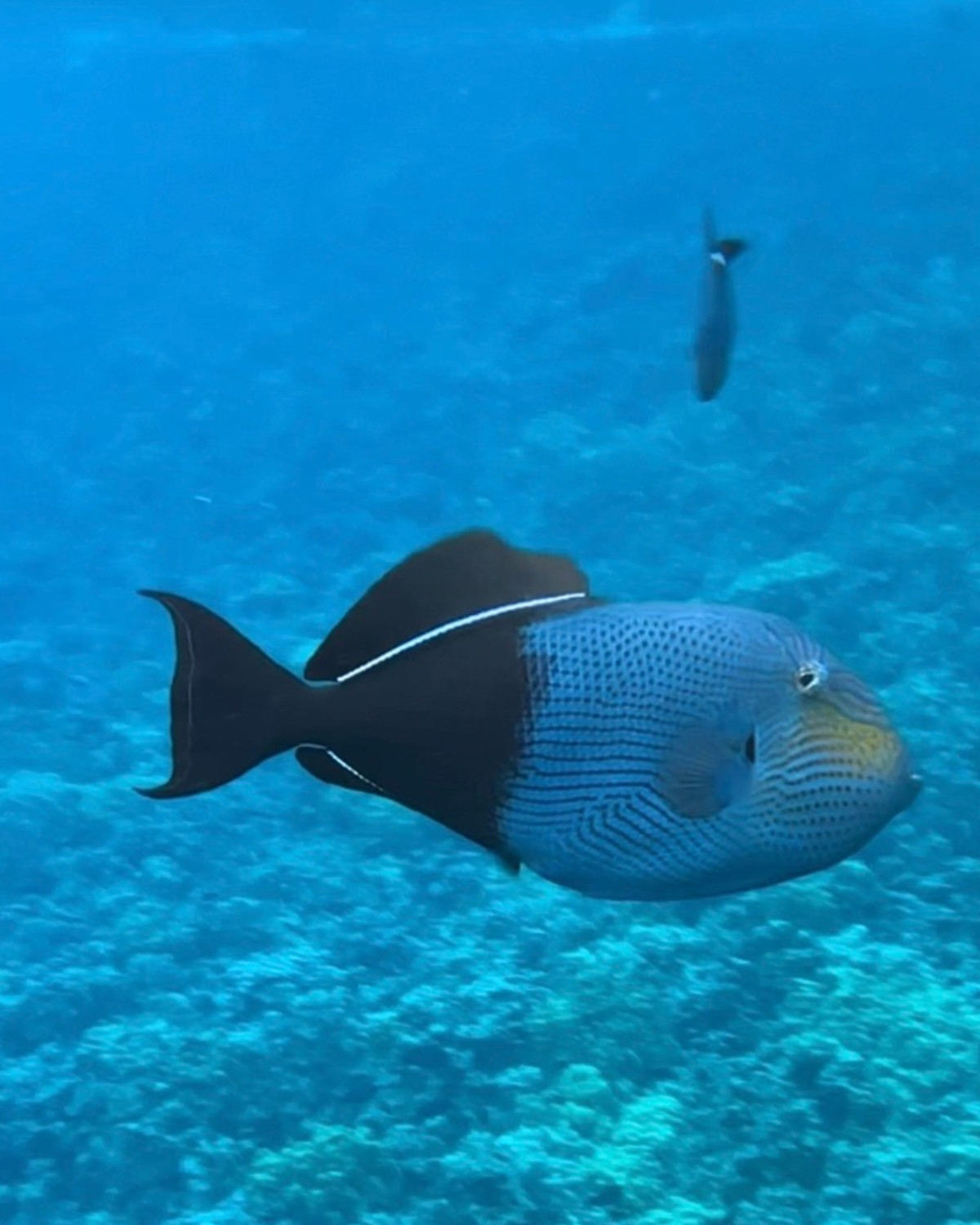
The catch: it’s popular, which means it can get crowded, with some boats carrying 150+ people and arriving mid-morning once conditions (and the vibe) have already changed.
My workaround is the Kai Kanani sunrise snorkel tour. A few reasons this one stands out:
Side Note: If you’re looking for a rental car for your trip, I LOVE Discount Hawaii Car Rentals. They’re seriously the only company I ever use. They’ll give you the very best prices, you don’t have to reserve with a credit card or pay until you show up, you can cancel and re-book anytime if you find a better rate, and they usually have a special that adds additional drivers for no fee. It’s a no brainer. Click here to check rates for your trip.
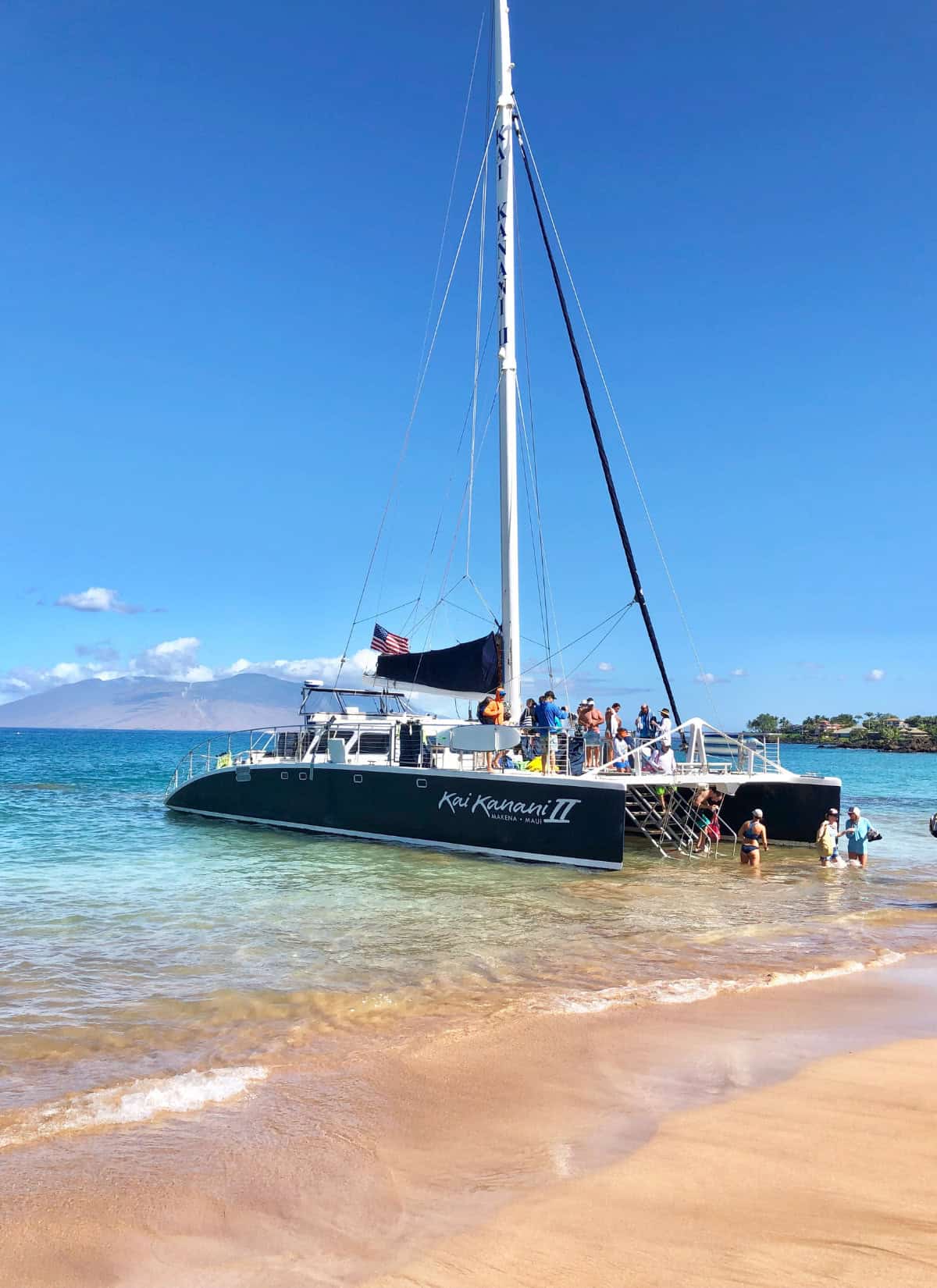
They depart from Makena, just 3 miles from the crater — most other tours leave from Ma’alaea Harbor, nine-plus miles away.
Their sunrise departure (around 6:15 AM when I’ve gone) means you’re the first boat at the crater — often the only one.
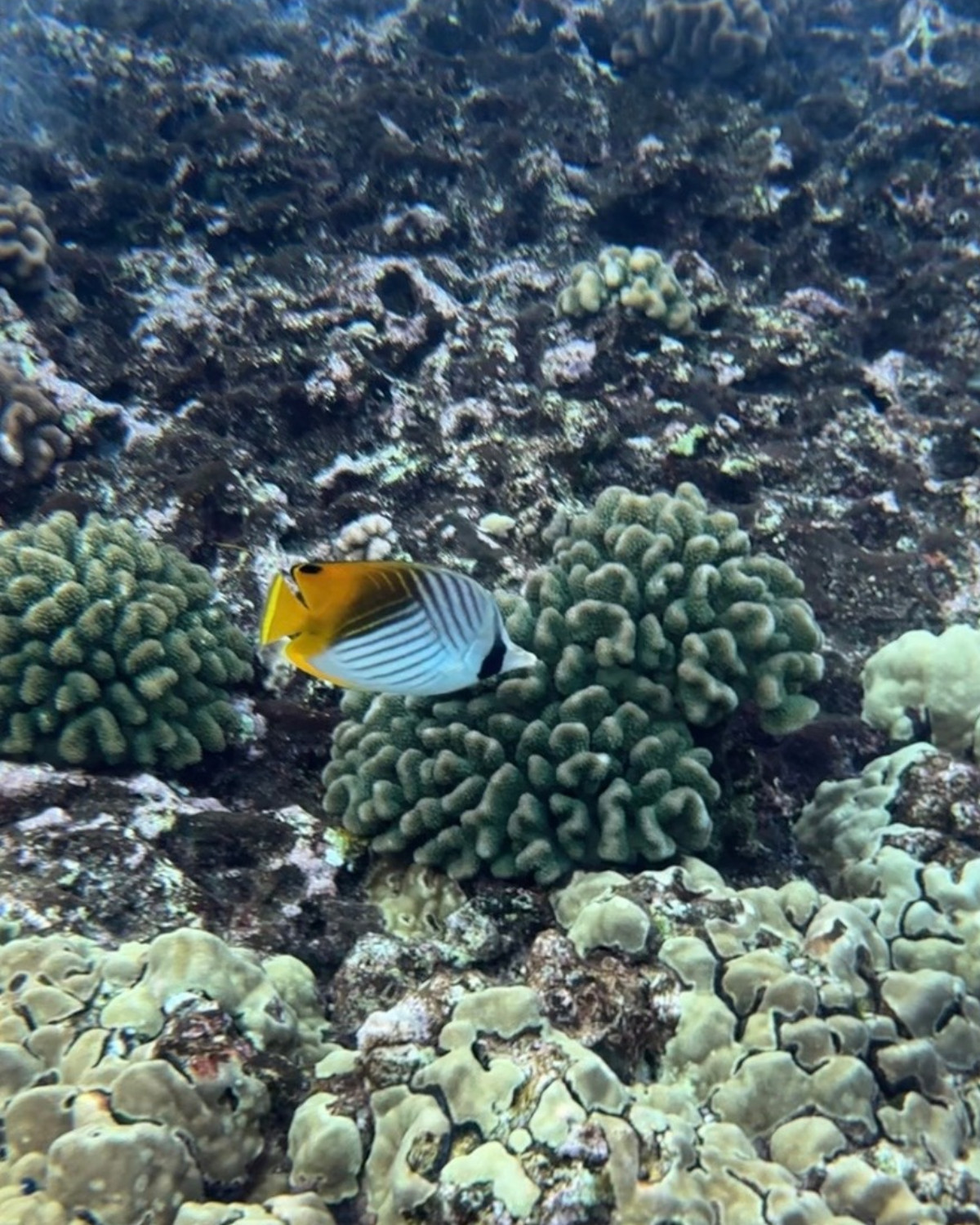
The trip includes a stop at Turtle Town on the way back, where you’re nearly guaranteed sightings (we saw 4-5 on my last trip).
You’ll be snorkeling by around 7 AM, back at the shop by 10, and — this is the part I love — done with a genuine bucket-list experience before most people at your hotel have had breakfast.
Bonus: Spend a Day Upcountry
If sunrise at Haleakala and Molokini fill your adventure quota, consider a slower day upcountry as your fourth Maui “must.” Most visitors only see it in a blur on the drive back down from Haleakala, but the upcountry region — Kula, Makawao, Ulupalakua — deserves its own dedicated time. Cooler temperatures at higher elevation, rolling farmland, cowboy town charm, and more farm tours than you could fit into one trip.

A few favorites:
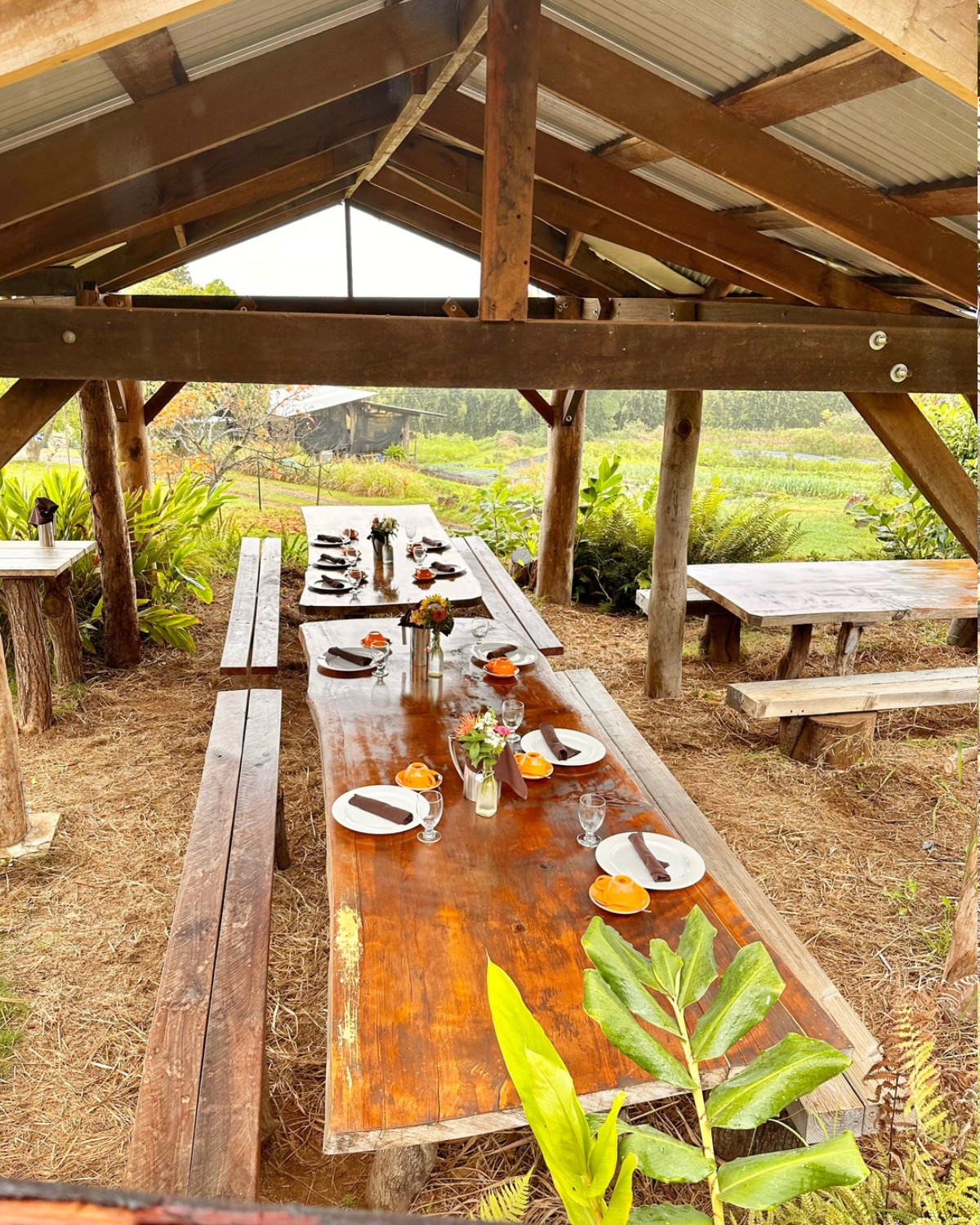
- O’o Farms — my top pick for next time. A farm-to-table brunch or lunch tour where you help harvest what you’ll eat. Not cheap ($135-150/adult), but a full experience.
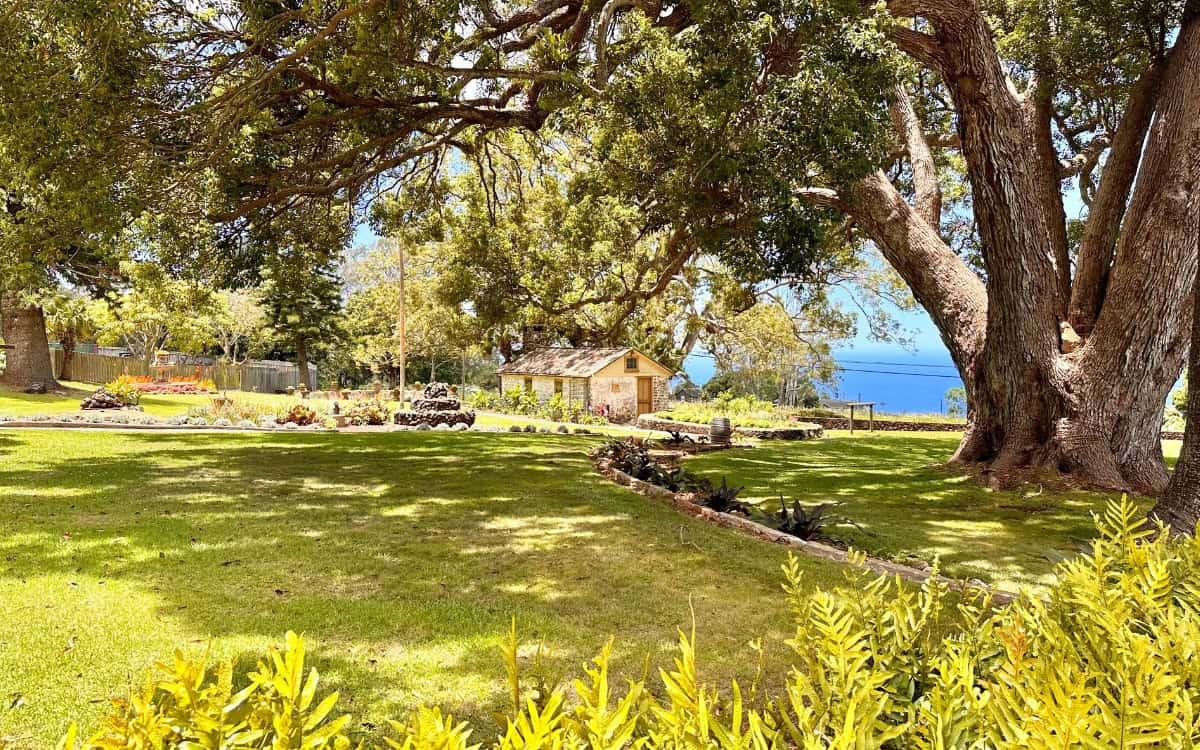
- Maui Wine at Ulupalakua — a historic estate with tasting room, known for pineapple wine, with sweeping views of Wailea below on the drive in.
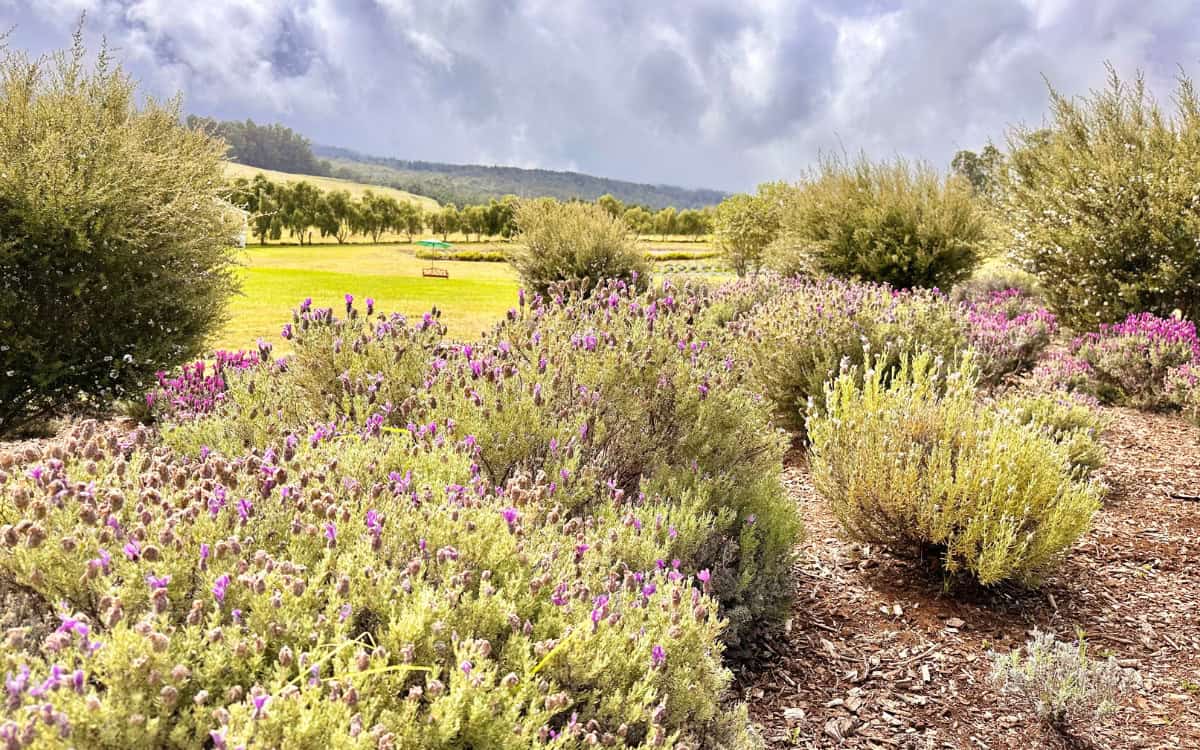
- Ali’i Kula Lavender Farm — one of my personal favorites, with some of the best views on the island and a small ($3) admission.
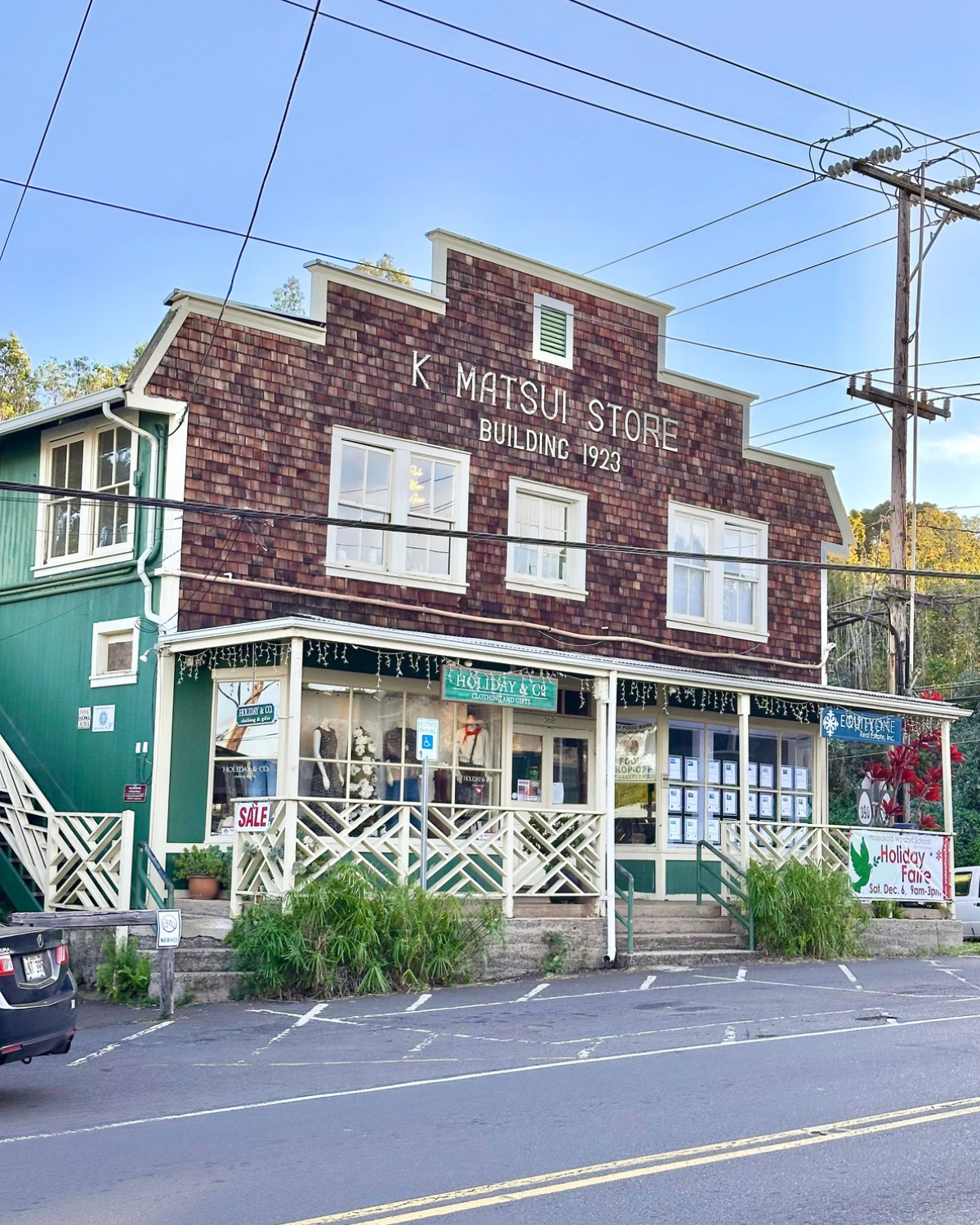
- Makawao — paniolo (cowboy) country, full of boutiques and galleries worth an afternoon.
If you’re doing sunrise at Haleakala, this is a natural pairing for later that same day — you’re already up the mountain, so keep going and make it a full day rather than heading straight back to the beach.
So… Besides the Beach?
Plenty. The Road to Hana alone could eat a full day, Haleakala another, Molokini a half-day morning, and upcountry a relaxed afternoon. If you’re not a beach person, Maui isn’t going to leave you bored — if anything, the harder part is fitting it all into one trip.
Have questions about planning your own Maui itinerary around these? Drop them in the comments — I read every one.
If you’ve read this far, you’re probably actually planning a trip to Maui…not just daydreaming.
Then you need my Maui guide. It’s everything I’d tell my best friend: 75+ pages of my honest opinions…what’s worth it, what to skip, where to stay, the reservations you have to make before you go, all of the intel on the Road to Hana and Haleakala — plus 100+ map pins and 11 done-for-you itineraries. Ten years of exploring this island, in one Google Doc.
It’s $49. Get it >>> HERE.